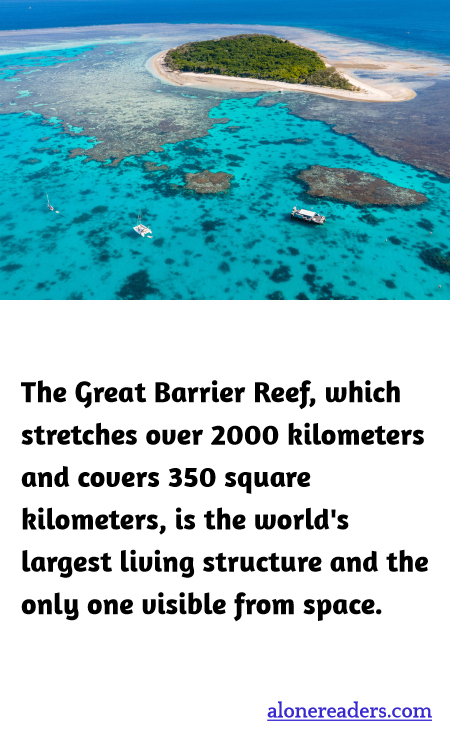
More About This Card
The Great Barrier Reef, an awe-inspiring natural wonder, is the largest living structure on Earth, so vast that it is visible from space. This extraordinary ecosystem, extending over 2,000 kilometers along the coast of Queensland, Australia, encompasses an area of around 350,000 square kilometers. It consists of over 2,900 individual reefs and 900 islands, forming one of the most diverse habitats in the world.
The Reef's sheer size and diversity make it home to a plethora of species including thousands of types of fish, hundreds of shark and ray species, and an abundance of hard and soft corals. It's a crucial breeding area for humpback whales migrating from the Antarctic, and a key habitat for endangered species such as the dugong and large green turtle.
Recognized as a World Heritage site in 1981, the Great Barrier Reef is not only a hub of marine biodiversity but also a significant scientific and cultural site. It offers opportunities for world-class scientific research, particularly in the fields of ecology and marine biology. The Reef also serves as a touchstone for the Aboriginal Australian and Torres Strait Islander peoples, for whom it holds great spiritual and cultural significance.
However, the Great Barrier Reef faces severe threats from climate change, coastal development, overfishing, and pollution, leading to coral bleaching and the decline of marine species. Efforts to protect and preserve this vital marine environment have intensified, with initiatives aimed at reducing harmful impacts and promoting sustainable practices. These include regulating fishing, improving water quality by reducing pollutants, and conducting extensive scientific research to monitor health and develop resilience strategies for the reef and its myriad of species.
Preservation of the Great Barrier Reef is crucial, not only for its biological richness and cultural heritage but also for its role in supporting local economies through tourism, which attracts millions of visitors each year. The reef's health directly affects biodiversity globally, emphasizing the need for international cooperation in conservation efforts. Continued global awareness and action are essential to ensure that future generations may also experience the wonder of this majestic marine ecosystem.