More About This Card
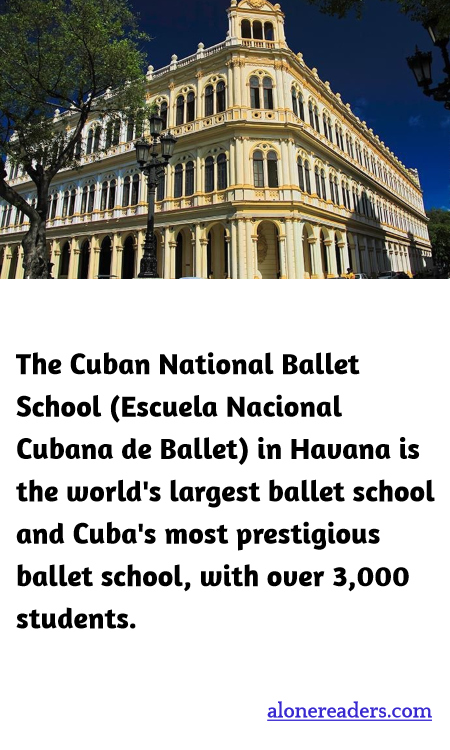
Founded in 1962, the Cuban National Ballet School in Havana is not only a beacon of Cuba's cultural landscape but also holds the title as the world's largest ballet school. The school, situated in the heart of a country known for its rich arts scene, offers training to over 3,000 students who come from various parts of Cuba and around the globe. These students are drawn to the school's rigorous program that emphasizes classical ballet technique meshed with the unique Cuban style, known for its vivacity and passion.
The Cuban National Ballet School was created following the Cuban Revolution, under the guidance of Alicia Alonso, a prima ballerina and choreographer whose vision was to make ballet accessible to every Cuban child, regardless of their social background. This vision was revolutionary in its inclusivity, breaking the mold of ballet as an art form only accessible to the upper classes. Today, the school is a symbol of national pride and cultural achievement, continuing to foster talent and produce world-class dancers who perform in top ballet companies worldwide.
Training at the Cuban National Ballet School is comprehensive, typically starting from a young age and spanning eight years. Students undergo a rigorous curriculum that includes not only dance techniques but also music, history of dance, and character dance, ensuring they graduate as well-rounded performers. The school’s influence on global ballet is profound, with its alumni populating international ballet companies and often leading them as principal dancers or choreographers.
The impact of the Cuban National Ballet School extends beyond its alumni. It significantly influences Cuban culture and the global perception of ballet. Through its performances and international tours, the school showcases Cuba’s rich artistic heritage and its ability to produce world-class talent despite economic challenges. The institution not only demonstrates the power of the arts in shaping societal values but also the role of cultural diplomacy in fostering international relationships.
In conclusion, the Cuban National Ballet School stands not just as a testament to the talent and resilience of its students and faculty but also as a cornerstone of Cuban identity and pride. As it continues to support and develop the talents of young dancers, the school promises to be a vital part of the global cultural landscape for generations to come.