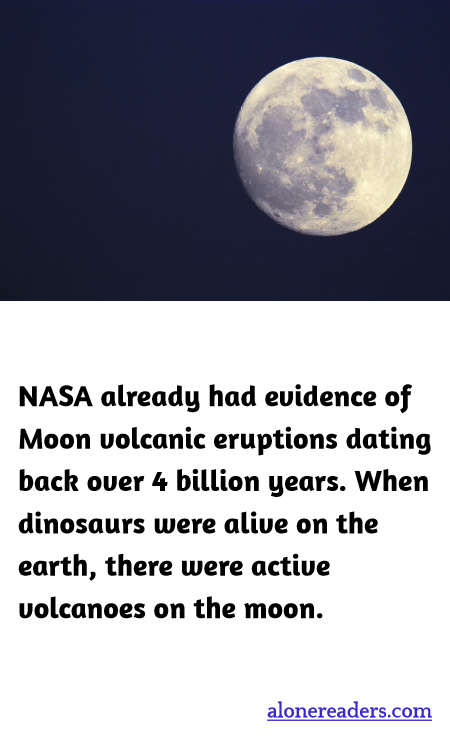
The exploration of our moon has yielded fascinating insights into its geological past, revealing that volcanic activity once shaped its barren landscape. Even during the age of the dinosaurs, approximately 65 million to 250 million years ago, the moon was a seething cauldron of volcanic activity. This geological dynamism is evidenced by the vast lunar maria, the large, dark basaltic plains on Earth's Moon, formed from ancient volcanic eruptions.
These basaltic plains tell a story of a more active lunar past, where eruptions spewed forth molten rock that shaped the surface. This volcanic activity is believed to have begun around 4 billion years ago, based on radiometric dating from returned moon samples and meteorite analysis. The span of lunar volcanism extends surprisingly close to the era of the dinosaurs. While Earth teemed with life, the moon harbored its fiery outbursts, albeit in a significantly reduced state compared to its early history.
The evidence pointing to this volcanic activity comes from a variety of sources. Analysis of Apollo mission samples provided the initial clues, revealing the composition and age of lunar rocks. More recent missions, such as those by lunar orbiters, have collected extensive data on the surface and subsurface of the moon. This information suggests that pockets of the moon’s interior might still be hotter than previously expected and may continue to contribute to minor geological activities.
The last significant eruptions are estimated to have occurred around a billion years ago, making the later period of lunar volcanism contemporaneous with the age of dinosaurs. Although the moon today shows no signs of active volcanism, its past as a dynamic volcanic body has significant implications for current lunar studies. Understanding the moon's volcanic history helps scientists piece together the broader puzzle of planetary formation and evolution within our solar system.
The continued study of lunar samples and the data gathered by orbital missions is crucial. These efforts not only help clarify the timeline of lunar volcanism but also guide future explorations, especially as missions aim to return humans to the moon and establish more permanent research bases. Through these endeavors, we deepen our understanding of our nearest celestial neighbor, building on the dynamic and continuing story of our solar system.
