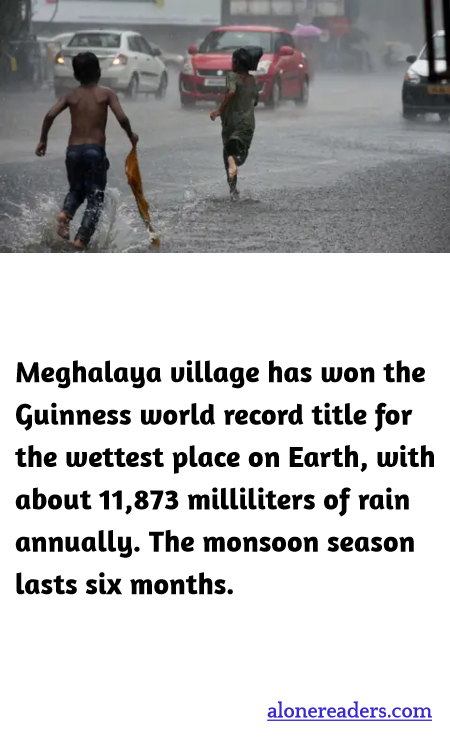
In the northeastern part of India lies a small village that has made a monumental mark on the world map by being recognized as the wettest place on Earth. The village, nestled in the state of Meghalaya, has claimed this distinctive honor after recording an astonishing annual rainfall of 11,873 millimeters. This record has secured its place in the Guinness World Records, highlighting a unique climatic phenomenon that attracts meteorologists, researchers, and tourists from all corners of the globe.
Meghalaya, aptly named the “abode of clouds” in Sanskrit, plays host to this village where the skies generously open up, especially during the monsoon season which spans about six months each year. The intense rainfall is attributed to the village's geographical positioning along the windward side of the Khasi Hills, which effectively traps moisture-laden clouds drifting from the Bay of Bengal, leading to incessant, heavy downpours.
This extraordinary amount of rainfall not only shapes the daily lives of the local residents but also profoundly influences their culture and agriculture. Locals have adapted ingeniously to their environment; for example, they construct “living root bridges” using rubber tree roots to form natural, sturdy bridges that can withstand the relentless rain. These bridges are not only functional during the intense monsoon but are also a testament to the unique symbiotic relationship between the people and their natural surroundings.
The economy of the village is dominantly agrarian, with ample water supply ensuring lush, green landscapes that are ideal for farming. However, such an extreme climate also poses challenges, including frequent disruptions in daily activities, risks of landslides, and the necessity for robust, water-resistant housing.
Tourism has blossomed, with adventurers coming to witness this spectacular phenomenon of nature. The allure of lush green hills enveloped in mist and the charm of rainfall that can envelop the landscape within seconds provides a unique spectacle unlike any other on Earth. The village, with its astounding rainfall, not only challenges the extreme climatic conditions human settlements can thrive under but also serves as a living classroom for environmental scientists and hydrologists studying the impacts and adaptations to such severe weather conditions.
Indeed, this village in Meghalaya, now holding the record for the highest average annual rainfall, exemplifies the extraordinary extremes of our natural world and the remarkable resilience of human societies living in harmony with such conditions. As the world grapples with the impacts of climate change, lessons from this rain-drenched village about adaptation and survival become ever more relevant.
