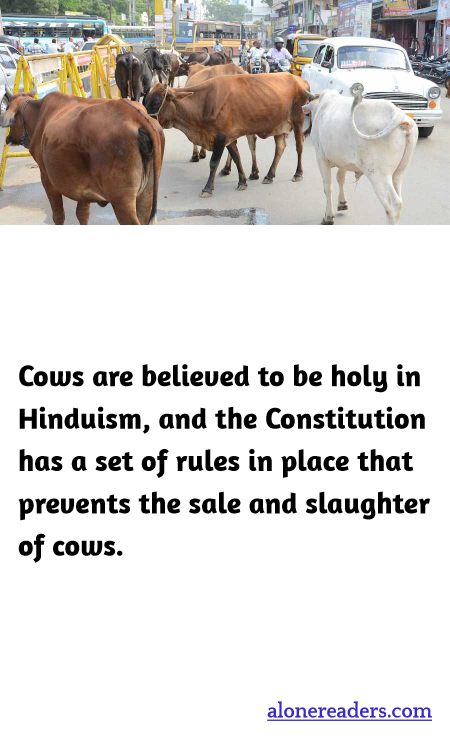
In Hinduism, cows are revered as sacred animals and symbols of benevolence and fertility. This religious sentiment is deeply integrated into the daily lives of millions, influencing dietary habits, farming practices, and cultural festivals. The cow's exalted status stems from various scriptures and myths, wherein the cow is often seen as a maternal figure—a caretaker and a giver of life. This belief has been so potent that it has shaped legal frameworks within India.
The Indian Constitution, while not explicitly banning cow slaughter, empowers states to legislate on the preservation and protection of cows. Article 48 of the Directive Principles of State Policy advises states to prohibit the slaughter of cows and calves and other milch and draught cattle. As a result, most Indian states have enacted regulations that either completely ban cow slaughter or permit it under stringent conditions, usually linked to the age or health of the animal. These laws are a reflection of both religious sentiments and economic considerations, as cows play a vital role in traditional farming and dairy production.
In states where cow slaughter is banned, the legislation is often stringent, with penalties including imprisonment and fines. These laws also influence culinary practices and meat consumption patterns across the country, making beef less common and generally more controversial than other types of meat. Furthermore, the protection of cows has spurred the establishment of numerous cow shelters, known as gaushalas, which rescue and care for stray and unwanted cows.
However, these laws and attitudes towards cow protection are not without their controversies. Critics argue that such policies can affect the livelihoods of those who depend on the livestock economy, including butchers, leather workers, and farmers who cannot sustain the non-productive cattle. Moreover, the enforcement of these laws sometimes leads to communal tension and conflicts.
Despite these challenges, the veneration of the cow remains a significant aspect of Hindu culture and religious practice, influencing various facets of life in India. This reverence for the cow exemplifies a unique intersection of faith, politics, and daily life, illustrating the complex ways in which religious beliefs can shape national policies and societal norms.
