More About This Card
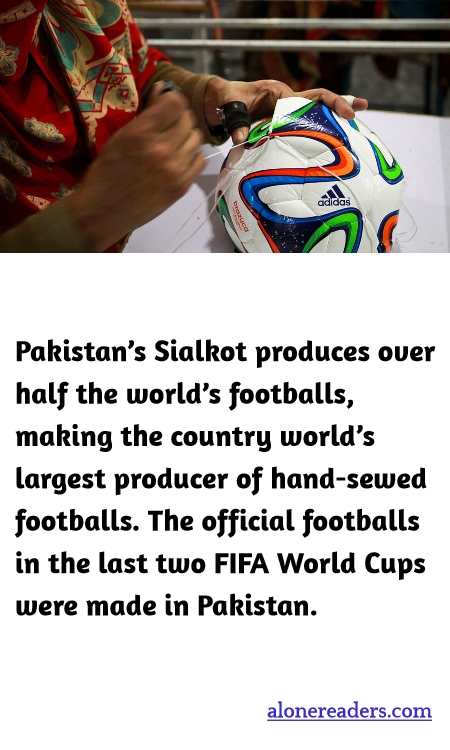
Located in the Punjab province of Pakistan, Sialkot has earned the title of being the world’s largest producer of hand-stitched footballs, a reputation that has placed this small city into the global sports manufacturing limelight. Remarkably, it is estimated that Sialkot is responsible for producing over half of the world’s footballs. This significant production capability not only showcases the skilled craftsmanship available in the region but also highlights Pakistan's pivotal role in sports despite its many challenges.
The city’s journey to becoming a manufacturing powerhouse began decades ago, driven by a combination of entrepreneurial spirit and the artisan skills of its people. Local workshops and factories in Sialkot employ thousands of skilled workers, many of whom learn the trade as part of a family tradition. The production process of a football involves intricate stitching and careful inspection to ensure high quality. Despite worldwide technological advancements where many products are machine-made, Sialkot’s footballs maintain their global demand through their high-quality hand-stitching that ensures durability and perfect shape.
This manufacturing prowess gained further international recognition when Sialkot was chosen to produce the official footballs for recent FIFA World Cups. Being selected to provide footballs for the world’s most-watched sports event not only reflects the trust and reliability in the craftsmanship of Sialkot’s workers but also acts as a testament to Pakistan's capability in competing in global markets under pressure-filled conditions. Each football made for such prestigious events undergoes rigorous testing to meet international standards, which underlines the quality control measures Sialkot manufacturers adhere to.
Moreover, the industry has a substantial impact on the local economy. It not only generates significant employment opportunities but also contributes extensively to Pakistan’s exports. However, the industry faces challenges such as labor rights, where there had been concerns about child labor and working conditions in the past. Efforts have been made to address these issues with local and international bodies working to ensure ethical production practices.
In conclusion, Sialkot’s position as a leading producer of footballs is a story of craftsmanship, tradition, and global economic integration. The ability of this small city’s industry to impact world sports through each hand-stitched football is a remarkable example of how local industries can achieve global excellence. As Pakistan continues to make its mark on the sports manufacturing industry, the commitment to quality and ethical production remains crucial for sustainable development.