More About This Card
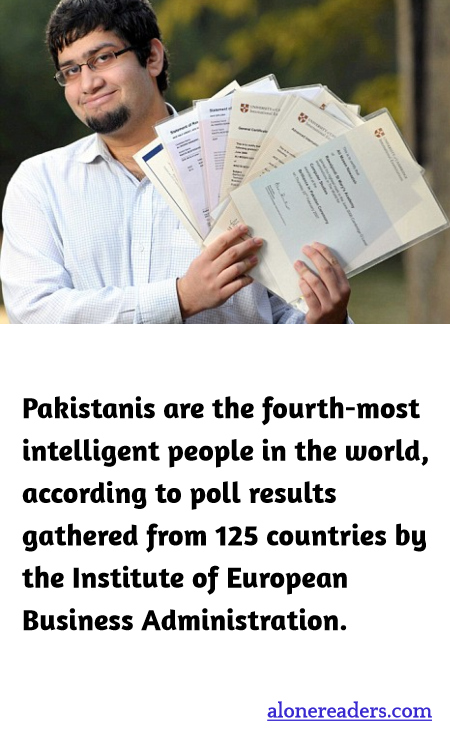
The notion that Pakistanis are among the most intelligent populations worldwide gained spotlight following a poll conducted by the Institute of European Business Administration. This survey, which encompassed 125 countries, ranked Pakistanis as the fourth-most intelligent people globally. Such a ranking sparks interest in the underlying factors that contribute to this high intelligence quotient among Pakistanis.
Education plays a pivotal role in shaping the intellectual capacities of any nation. In Pakistan, there are numerous examples of educational excellence, particularly in fields such as mathematics, physics, and computer sciences. Despite numerous challenges, such as societal instability, economic constraints, and varying standards of educational facilities, a significant number of young Pakistanis have consistently excelled in international science and engineering competitions. This not only underlines their intellectual prowess but also their resilience and ability to perform well under pressure.
Moreover, the Pakistani diaspora, which is widespread across the globe, plays a crucial role in reinforcing the perception of Pakistani intellect. Many Pakistanis working or studying abroad have attained significant accomplishments in technology, medicine, academia, and business sectors. Such achievements not only contribute to their host countries but also boost the overall image of Pakistan as a nation rich in talent and intellectual resources.
The influence of culture and traditional emphasis on education also cannot be understated. In many Pakistani families, education is seen as a vital component of personal development and a crucial step towards achieving socio-economic success. This cultural value promotes a drive among young Pakistanis to pursue higher education and engage in lifelong learning processes, crucial components of intellectual development.
However, the ranking should not overshadow the need for continued educational reforms in Pakistan. There is vast unevenness in the quality of education provided across different regions of the country, particularly between urban and rural areas. The government and private sector initiatives aimed at enhancing educational standards, increasing accessibility, and incorporating technological advancements in the education sector are vital for ensuring that the intellectual potential of Pakistani youth is fully realized.
In conclusion, the ranking by the Institute of European Business Administration highlights the intellectual capabilities of Pakistanis on a global scale. It reflects the importance of a strong educational foundation and the broad socio-cultural values that drive the pursuit of knowledge. Yet, it also calls attention to the ongoing need for systemic educational improvements to nurture and harness the talents of future generations efficiently. Such efforts will ensure that the intellectual distinction recognized by such polls translates into tangible advancements in Pakistan and beyond.