More About This Card
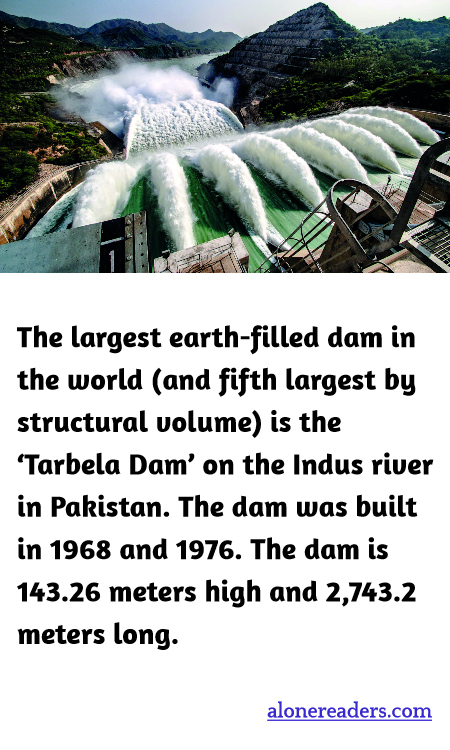
The Tarbela Dam, located on the Indus River in Pakistan, holds the distinction of being the world's largest earth-filled dam and the fifth largest by structural volume. Constructed between 1968 and 1976, this massive engineering feat was primarily designed for water storage and the generation of hydroelectric power, addressing both the irrigation needs and energy requirements of the region. Spanning an impressive length of 2,743.2 meters and standing at a height of 143.26 meters, Tarbela Dam represents a pinnacle of civil engineering and hydrological planning.
The construction of the Tarbela Dam was a response to the critical need for a sustainable water resource management system in Pakistan, a country whose agriculture heavily depends on irrigation from the Indus River and its tributaries. By impounding the Indus River, the dam forms the Tarbela Reservoir, which not only supplies water for irrigation but also serves as a major source of hydroelectric power, generating a substantial proportion of Pakistan's electricity.
What makes Tarbela Dam particularly notable, apart from its size, is its construction using earth and rockfill, which involves layering rocks and earth to create a robust barrier against the hydraulic force of the river. This method, while demanding extensive use of local resources, proved exceptionally effective given the geographical and environmental conditions of the region.
Despite its benefits, the dam's construction and subsequent operation have not been without controversy. Environmental concerns such as sedimentation, loss of aquatic biodiversity, and the displacement of local communities have been significant. Moreover, the sediment build-up in the reservoir has progressively reduced its storage capacity, prompting calls for sustainable sediment management practices.
In summary, the Tarbela Dam is not only an architectural and engineering landmark but also a critical infrastructure component for Pakistan, pivotal for water resource management and energy production. Its continuous operation and maintenance are vital for the socio-economic development of the area, requiring balanced handling of both the benefits it provides and the challenges it poses.