More About This Card
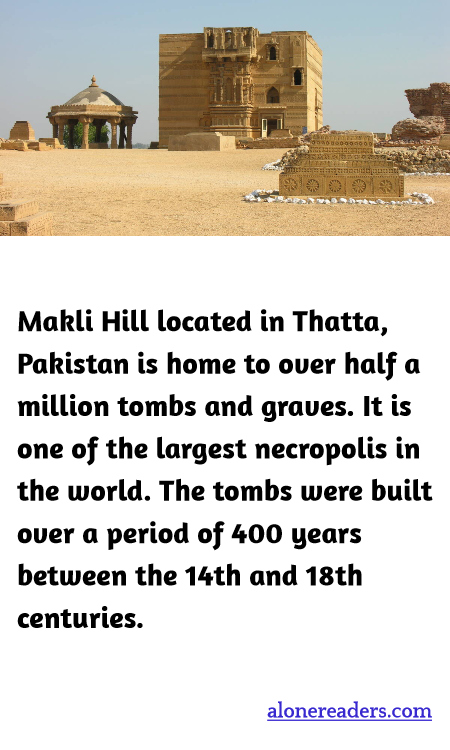
Makli Hill, situated in Thatta, Sindh, Pakistan, stands as one of the largest necropolises in the world, encompassing an area of approximately 10 square kilometers. This sprawling cemetery holds over half a million tombs and graves, weaving a rich tapestry of history that dates back from the 14th to the 18th century. The site is a testament to the architectural and cultural achievements of the region during that period, spanning the reign of various dynasties including the Samma, the Arghun, the Tarkhan, and the Mughal.
The diversity of the tombs at Makli Hill is remarkable, with structures ranging from simple graves to elaborate mausoleums adorned with intricate carvings and glazed tiles. This variance not only reflects the social status and wealth of the individuals buried there but also the evolution of architectural styles and influences over the centuries. Many tombs feature a mix of Islamic architecture with regional influences, including Hindu and Persian. The most prominent among these is the mausoleum of Jam Nizamuddin II, a masterpiece of stone carving and tile work.
Makli is both a historical treasure and a spiritual site, reflecting the Sufi tradition deeply embedded in the culture of Sindh. The hill is said to have been a site of pilgrimage and meditation for centuries, with local legends recounting visits by saints and scholars. This spiritual heritage adds an intangible layer of significance to the necropolis, making it a place not just of death, but of ongoing cultural and spiritual life.
Despite its historical and aesthetic value, Makli Hill faces threats from environmental factors and human negligence. Issues such as erosion, vandalism, and lack of maintenance have put this invaluable site at risk, prompting calls for greater preservation efforts. In recognition of its cultural significance, UNESCO listed Makli Hill as a World Heritage Site, underscoring the need for preservation and sustainable management of the site.
Makli Hill is not only a cemetery but a chronicle of history, a museum of art and architecture, and a sanctuary of spirituality. It offers invaluable insights into the socio-cultural life of the times and stands as a monument to the artistic and spiritual endeavors of the people who lived in the region over centuries. As such, it remains a crucial part of Pakistan's cultural heritage and a significant site for scholars, tourists, and spiritual seekers from around the world.