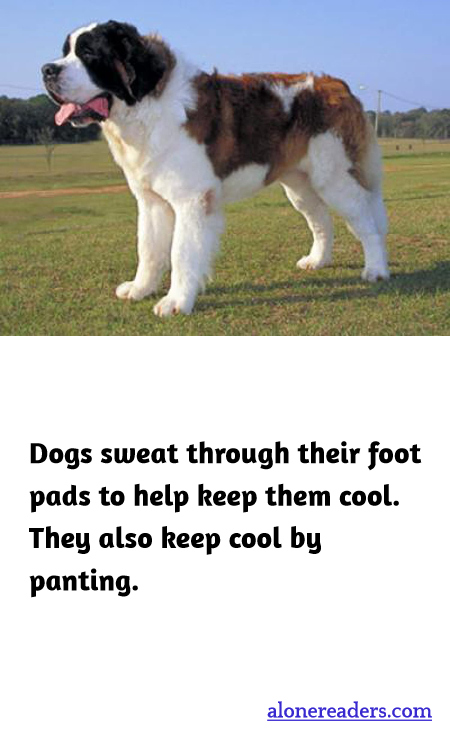
Dogs have developed a fascinating way to regulate their body temperature and keep cool, especially since they don't have as many sweat glands as humans do. Unlike humans, who sweat across most of their body surface, dogs are equipped with sweat glands that are primarily located in their foot pads. This might seem inefficient, but it serves as a crucial mechanism for thermoregulation. These glands help to dissipate heat by releasing moisture that is then cooled by evaporation.
However, the role of these sweat glands in the cooling process is minimal compared to the more visible method dogs use: panting. Panting is an incredibly effective way for dogs to manage their body temperature. When a dog pants, it rapidly moves air in and out of its mouth, which causes moisture on the tongue to evaporate. This evaporation process significantly cools the blood in the tongue, and this cooler blood circulates through the rest of the body, helping to lower the dog’s overall body temperature.
Moreover, panting involves minimal physical contact with surfaces, which is beneficial in preventing the body from picking up additional heat from the environment, something that would hamper the cooling process if, like humans, dogs relied primarily on full-body sweat mechanisms. The efficiency of panting as a cooling mechanism is crucial, particularly because dogs often engage in high-energy activities with thick fur coats that could otherwise cause their body temperatures to rise to dangerous levels quickly.
The evaporation of moisture from the foot pads also matters in the overall thermoregulation process, although its role is significantly less pronounced than that of panting. It provides a secondary cooling system that complements the effects of panting, particularly when the animal is stationary and air movement through panting is reduced. Some environmental factors, like the temperature of the surface they’re walking on, can influence the effectiveness of the cooling through their foot pads. Hot surfaces, for example, can make it difficult for moisture to evaporate from the foot pads, reducing the cooling effect and potentially putting the dog at risk of overheating.
Understanding these cooling mechanisms is not just an interesting facet of canine physiology; it is also essential for pet owners who need to ensure the wellbeing of their dogs. Keeping dogs well-hydrated and avoiding excessive exposure to high temperatures, particularly during vigorous exercise, helps enhance these natural cooling processes. By recognizing when a dog is panting excessively or avoiding hot surfaces, caretakers can take quick actions to mitigate any risks of overheating, ensuring that dogs remain healthy, happy, and active. This demonstrates a beautiful aspect of biological adaptation, showing how dogs have uniquely evolved to manage their body temperature despite their physical and environmental challenges.
