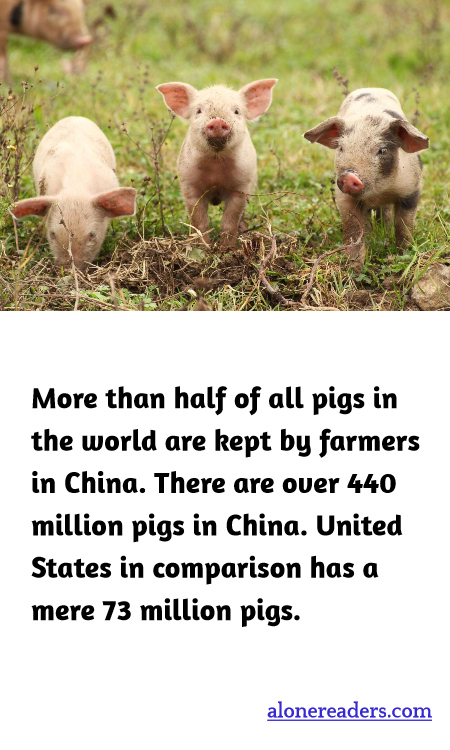
China is home to more than half of the world's pig population, a reflection of the pivotal role pork plays in the country's cuisine and culture. With over 440 million pigs, China's swine industry is a cornerstone of its agricultural sector, heavily influencing global pork markets and trends. The scale of pig farming in China vastly surpasses that of the United States, which has around 73 million pigs. This disparity highlights not only differences in dietary preferences and population size, but also the varying agricultural practices and challenges faced by the two nations.
In China, pork is considered a staple food, essential for many traditional dishes, from dumplings to stir-fries. The high demand for pork drives the large numbers of pigs farmed. However, managing such a vast number of animals comes with significant challenges. Issues such as disease management, environmental impact, and feed scarcity are continually pressing concerns. The African Swine Fever outbreak that began in 2018 decimated millions of pigs in China, causing a significant upheaval in the global pork market and illustrating the vulnerabilities inherent in maintaining such a large livestock population.
Contrastingly, in the United States, where the diet is more diversified and pork is just one of many protein sources consumed, the pig population is much smaller. American pork production is also heavily concentrated among fewer, larger companies, which contrasts with China’s mix of backyard and intensive operations. This scale and concentration in the U.S. bring different sets of challenges and benefits, including more streamlined disease control and potentially lower per-unit environmental impacts but also issues related to animal welfare and farming community sustainability.
Looking forward, the pig industries in both countries face the challenge of sustainable development. In China, there is a growing push towards modernization and consolidation of pig farms, aiming to improve biosecurity measures and efficiency while also mitigating environmental impacts. Similarly, in the U.S., there is increasing pressure to balance industry consolidation with sustainable and humane farming practices.
Both nations are also looking at alternatives to traditional pork production, including plant-based and lab-grown meats, although these technologies are still in their infancy. As global resources become more stretched and consumer preferences evolve, the ways in which China and the U.S. adapt their pig farming strategies will have significant implications not only for their own populations but for the global food system as a whole.
