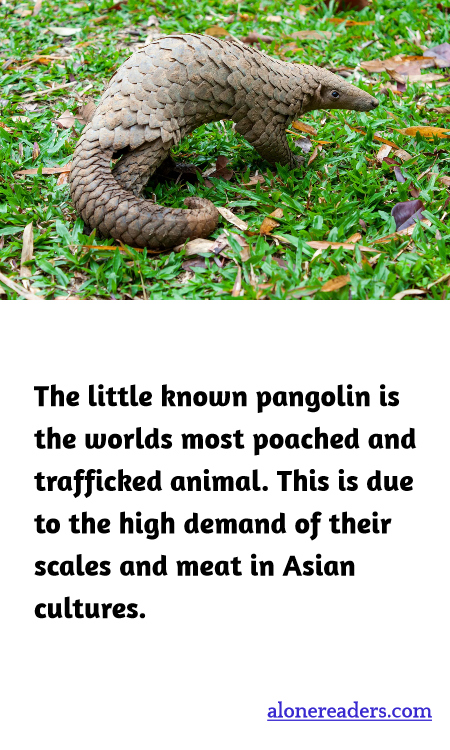
The pangolin, a unique creature often shrouded in mystery, holds an unfortunate title as the world’s most poached and trafficked animal. With its body fully covered in keratin scales, the only mammal with this distinctive armor, the pangolin is frequently mistaken for a reptile. Yet it's these very scales that lead to their plight. High demand in parts of Asia for both their scales and meat makes them a prime target for illegal wildlife traffickers.
Pangolin scales are highly valued in traditional Asian medicine, believed to offer various health benefits, despite a lack of scientific evidence to support these claims. The scales are thought to cure ailments ranging from acne to cancer, which fuels their demand. Meanwhile, pangolin meat is considered a delicacy and a symbol of social status in some cultures. This culinary prestige makes the demand for pangolins persistent and lucrative, thus driving the disturbingly high levels of poaching.
Eight species of pangolins are spread across Asia and sub-Saharan Africa, and all of them are under threat. From the Sunda pangolin roaming the forests of Southeast Asia to the Giant pangolin of Africa, each species faces severe risks from illegal hunting and habitat loss. Efforts to protect these animals are complex due to their elusive nature and nocturnal habits, which makes studying them challenging and conservation efforts difficult to implement.
Conservation groups across the globe are advocating for stricter laws and enforcement to protect pangolins. Awareness campaigns are critical, aiming to educate the public about the ecological role of pangolins and the dire consequences of the illegal pangolin trade. International cooperation and stronger regulations are essential, as well as support for alternatives to pangolin-derived products in traditional medicine. Technologies like DNA testing are also being used to trace and crack down on illegal pangolin trafficking routes.
The pangolin's survival is critical not just for biodiversity but also for ecological balance. As insectivores, pangolins consume large quantities of ants and termites, helping regulate these populations and maintaining the health of their habitats. Without these shy, scale-covered creatures, we may see dramatic shifts in our ecosystem structures. Thus, the battle against their poaching and trafficking is not just about saving an endangered species, but about preserving the complex tapestry of life to which they are integral.
