More About This Card
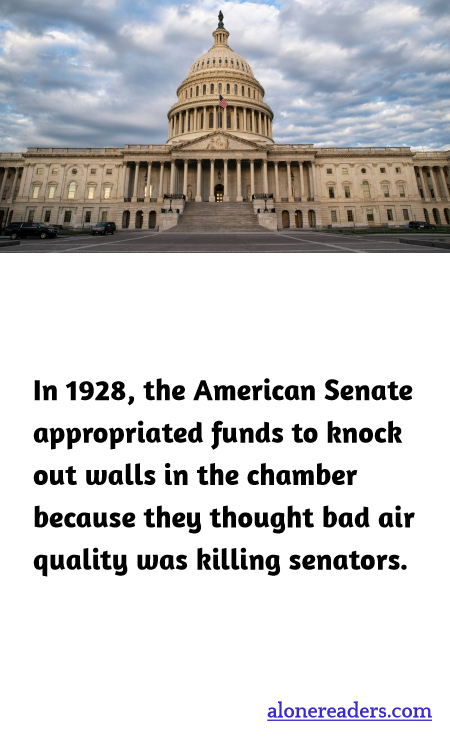
In 1928, the U.S. Senate took a drastic measure to address a troubling issue that had been stirring debates and concerns among its members: the quality of air within the Senate chamber. After several senators fell ill, with the untimely death of Senator Knute Nelson of Minnesota attributing to concerns over the chamber's environment, the Senate appropriated funds specifically for renovations aimed at improving ventilation. This decision underlined a unique intersection of health, politics, and architectural design during that era.
The connection between poorly ventilated spaces and ill health had been recognized for some time, but the Senate's direct response by altering its physical space highlighted the severity of the issue. It was believed that the stifling air inside the Senate chamber, packed with tobacco smoke and lacking proper air circulation, was contributing to health issues among the senators. This problem was not unique to the Senate, as concerns over air quality were prevalent in many public and private buildings of that time, reflecting broader public health issues.
Upon appropriating the funds, renovations involved knocking out walls and improving the overall air circulation in the chamber. These changes were part of early efforts to implement what would become more sophisticated HVAC (Heating, Ventilation, and Air Conditioning) systems in the years to come. Beyond merely a structural renovation, this action represented one of the earlier instances of governmental acknowledgment of environmental conditions on health in the workplace, setting a precedent for future public health initiatives in governmental buildings.
The improvements made to the Senate chamber were thus twofold; they served not only to protect the health of the senators but also acted as a symbolic gesture towards better occupational health practices. This instance from 1928 serves as an interesting historical footnote that underscores the evolving understanding of environmental health risks and the measures taken to mitigate them, even within the highest levels of government.