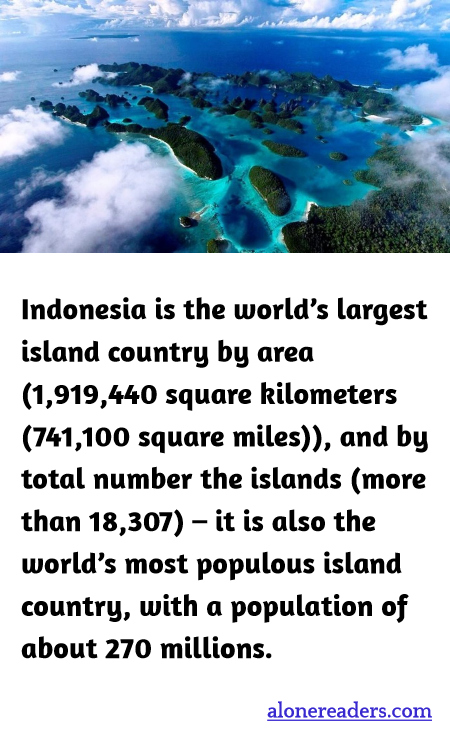
Indonesia, a vast archipelago located in Southeast Asia, is renowned not only for its cultural diversity and rich history but also for its unique geographical attributes. With an area of 1,919,440 square kilometers (741,100 square miles), it holds the title of the world's largest island country, a remarkable distinction that underscores its expansive maritime boundaries. The archipelago of Indonesia is made up of over 18,307 islands, some large and heavily populated, like Java and Sumatra, and many others that are small and uninhabited, which adds to the complexity of its geography and governance.
The Indonesian archipelago has always been a critical junction between the Indian and Pacific Oceans, fostering extensive trade routes and cultural exchanges throughout its history. The strategic significance of its location continues to influence the economic and political landscape of the region. Indonesia's thriving biodiversity is another point of global significance. Its rainforests are some of the most biodiverse habitats on Earth, hosting a wide array of species unique to the region. This biodiversity is a boon for ecological scientists and environmentalists but poses significant challenges in terms of conservation and sustainable development.
Moreover, Indonesia is the most populous island nation in the world, with a population nearing 270 million people. The majority of its inhabitants reside on the island of Java, the world's most populous island, where major cities like Jakarta and Bandung are located. This high population density contributes to a variety of social, economic, and environmental challenges. Urban areas, in particular, face issues related to overcrowding, infrastructure strain, and pollution.
Despite these challenges, Indonesia has maintained steady economic growth. It is a member of the G20, reflecting its importance in the global economic landscape. The nation's economy is diverse, with significant contributions from the sectors of agriculture, manufacturing, and services. Tourism also plays a crucial role in its economy, with destinations such as Bali, known globally for its beaches, temples, and forests, attracting millions of visitors each year.
Culturally, Indonesia is just as diverse as its landscape, with hundreds of ethnic groups and languages. This diversity is reflected in its cultural practices, cuisine, and festivals, which continue to draw interest from around the world. The rich cultural tapestry adds layers of complexity to the national identity and offers a colorful array of traditions and practices that signify the nation's multicultural ethos.
Indonesia's distinct position as the world's largest and most populous archipelagic state thus presents a unique blend of opportunities and challenges. Its strategic importance, vast biodiversity, and cultural richness make it a nation of significant interest and influence on both a regional and global scale.
