More About This Card
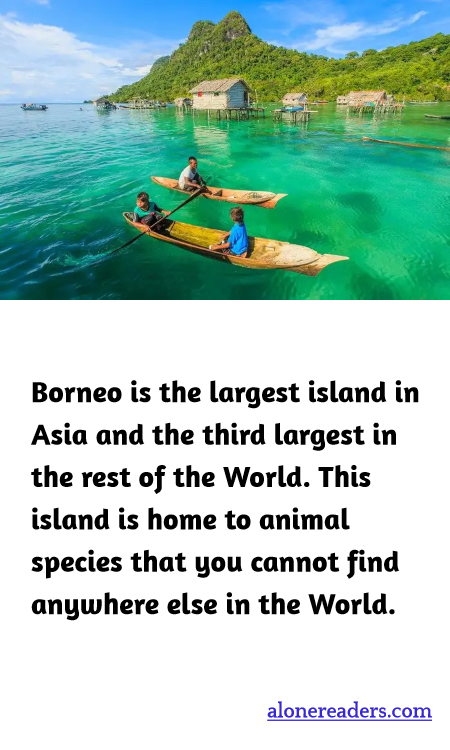
Borneo, a lush island known for its verdant rainforests and diverse ecosystems, is not just the largest island in Asia but also ranks as the third largest worldwide. This magnificent island, split among three countries—Brunei, Indonesia, and Malaysia—serves as a vital refuge for a wealth of unique wildlife, many species of which are endemic to the island and cannot be found anywhere else in the world.
One of the most iconic inhabitants of Borneo is the Bornean orangutan, a critically endangered species due to deforestation and human encroachment. These great apes are known for their intelligence and are closely related to humans, sharing nearly 97% of the same DNA. The dense, remote rainforests of Borneo are one of the last remaining sanctuaries for these creatures, along with a host of other unique species like the pygmy elephant, which is smaller than its African cousins and has relatively larger ears and a longer tail.
Borneo is also home to the elusive Bornean clouded leopard, another native species that prowls the highland forests. Its coat, clouded with irregular markings, provides perfect camouflage in the lush undergrowth, making this feline an apex predator in its ecosystem. Meanwhile, the skies of Borneo are dominated by various bird species, including the spectacular rhinoceros hornbill, renowned for its large, colorful bill and its role in local indigenous cultures as a symbol of good fortune.
Despite its rich biodiversity, Borneo faces significant environmental threats. Deforestation, primarily due to logging and the expansion of palm oil plantations, poses a severe risk to its natural habitats. Conservation efforts are crucial to ensure the survival of the island’s unique flora and fauna. International and local organizations are working tirelessly to protect these endangered species and to promote sustainable practices among the local populations and industries.
Borneo's incredible biodiversity is a testament to the wonders of natural evolution and the intricate balance of ecosystems. The island is a living library of biological diversity and serves as a critical reminder of the importance of conservation and environmental stewardship to preserve such unique natural heritage for future generations.