More About This Card
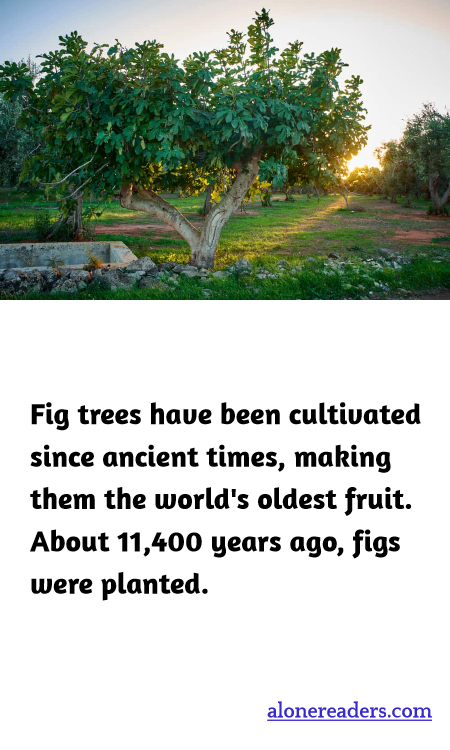
Figs are one of the oldest cultivated fruits in the world, evidence of their cultivation going back about 11,400 years. Originating from the Middle East and Western Asia, fig trees quickly became a staple food source due to their ability to thrive in various climates and the nutritional value of their fruit. The fig tree holds a unique position not only in nature but also within human culture and mythology.
Unlike many other fruits, figs are unique because they are an inverted flower - their blossoms are actually inside the fruit. This characteristic means that figs require a specific pollination process, often involving a special breed of wasps. This symbiotic relationship showcases an intriguing aspect of ecological co-dependence, further enhancing the mystique of the fig tree in historical lore and scientific study.
In historical contexts, fig trees are often associated with abundance and fertility. This symbolism is found in numerous ancient cultures, including the Greeks, Romans, and Egyptians. The Romans particularly revered the fig tree as a sacred emblem of the founding of Rome, linked to the story of Romulus and Remus being nurtured by a she-wolf under a fig tree. In many Middle Eastern and Mediterranean regions, figs were considered a food staple, essential for diet and traditional medicine, thanks to their high concentrations of calcium, iron, potassium, and fiber.
Today, figs continue to be a popular item in culinary arts around the world, showing versatility in both sweet and savory dishes. Fresh figs are delicate, sweet, and succulent, often paired in recipes with meats, cheeses, and wines, which enhances their natural richness. Dried figs, which are just as nutritious, provide an easier and more durable way to enjoy the benefits of figs year-round. They are commonly used in desserts, compotes, and jams or simply eaten alone as a healthy snack.
The cultivation of fig trees has spread to all corners of the globe, and they are now grown in temperate climates across North America, Europe, and Asia. Despite their ancient origins, figs continue to bring economic value and environmental benefits. Fig trees can improve microclimates, prevent soil erosion, and promote a more sustainable means of agricultural production. Their enduring presence from ancient times to today not only underscores their importance as a crop but also their cultural and ecological significance. Their rich history and the complex biology entice both scientists and historians to further explore and unravel the mysteries of this extraordinary fruit.