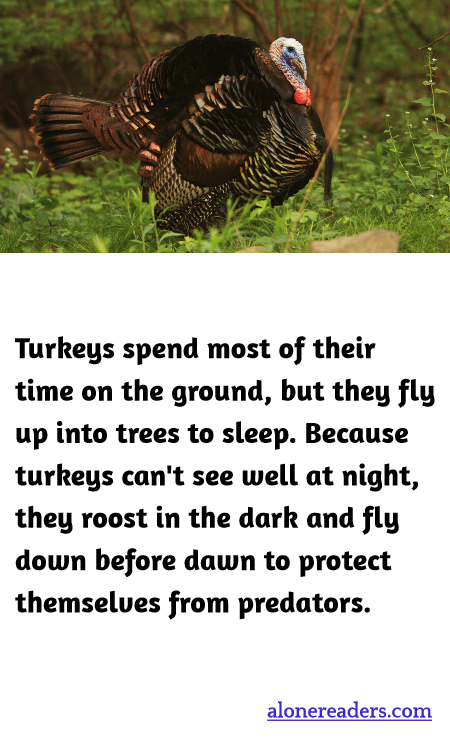
Turkeys, despite their bulky appearance, are more agile than they seem. Primarily ground-based, these birds prefer walking or running, but when it comes to sleeping, they adopt a different strategy. At sunset, turkeys take flight to roost in the safety of trees. This behavior may seem odd given their size and the effort required for them to lift off, but it is a survival tactic honed by evolution.
The reason turkeys roost in trees at night is largely due to their poor night vision. In the darkness, their ability to spot predators diminishes significantly. By positioning themselves high up in the branches, they gain protection from nocturnal predators like coyotes and foxes, which can easily harm these birds when they are on the ground. Roosting also helps them to keep warm, as they huddle together during cold nights.
Interestingly, their descent from these nightly perches is timed with precision. Turkeys typically fly down from their roosts just before dawn. This behavior is timed to maximize their visibility and to ensure that they can use the light to forage and spot threats. The morning also generally provides a brief window when many predators are less active, adding an extra layer of safety as they start their day.
Thus, the daily cycle of roosting high at night and descending at dawn underscores not only the turkeys' adaptation to their environment but also the interplay of their physical capabilities with their survival strategies. Their routine demonstrates a keen sense of awareness and adaptability, allowing them to continue thriving despite their limitations in nocturnal vision.
