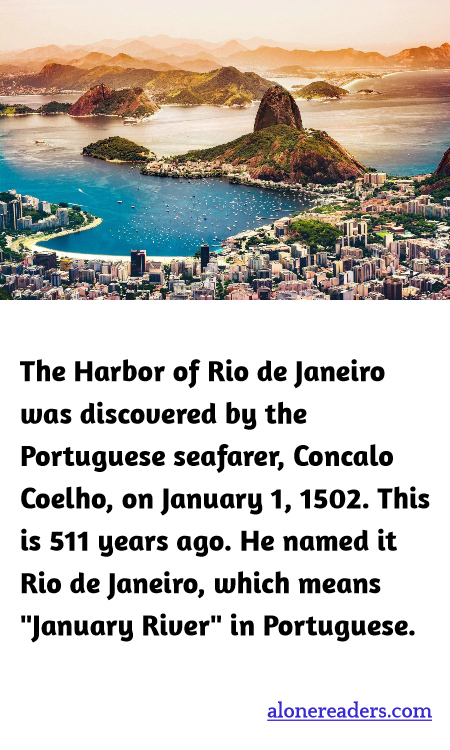
Discovered on January 1, 1502, by the Portuguese explorer Gonçalo Coelho, the Harbor of Rio de Janeiro is steeped in both historical significance and natural beauty. Coelho, on encountering the expansive bay and mistaking it for the mouth of a great river, named it Rio de Janeiro, which translates to "January River" in Portuguese. This naming was reflective of both the time of discovery and the initial misconception about the bay's nature.
The harbor, also known as Guanabara Bay, spans an area surrounded by stunning mountains including the famous Sugar Loaf Mountain (Pão de Açúcar), Corcovado Peak, and the iconic hills of Tijuca. The striking natural landscapes, characterized by granite monoliths and lush forested areas around the bay, are the result of continuous erosion and sedimentary deposits through millennia. Aside from its visual appeal and its appeal for tourists, the harbor has historically been a focal point for economic and social developments in the region.
Rio de Janeiro's harbor has played a seminal role in Brazil's history, functioning as a primary port for the coffee trade in the 18th and 19th centuries, which significantly contributed to the growth of Rio as a city. Over time, the port has been modernized to accommodate the changing needs of international trade, yet it retains its monumental significance as a central hub for Brazilian import and export activities.
Moreover, Guanabara Bay's natural beauty and strategic importance have not only shaped the economic contours of Rio de Janeiro but have also embedded it firmly in the cultural and social fabric of the city. The bay is central to many local traditions and festivals, underpinning the celebrated vibrant lifestyle of Rio. This lifestyle, enmeshed with the scenic beauty of the bay, contributes to making Rio de Janeiro one of the most visited cities in the Southern Hemisphere, captivating tourists with its breathtaking views and vibrant culture. The decision of UNESCO to designate Rio de Janeiro as a World Heritage Site accentuates the city's global recognition for its intertwined natural and urban landscapes.
Yet, despite its iconic status and beauty, the harbor has experienced environmental degradation over the years due to urbanization and industrialization. Efforts towards its rehabilitation and the sustainability of its ecosystem are ongoing, marking the complex relationship the city has with its natural resources. The harbor of Rio de Janeiro, with its historical richness and natural splendor, continues to symbolize the heart of the city, embodying the spirit and resilience of its people.
