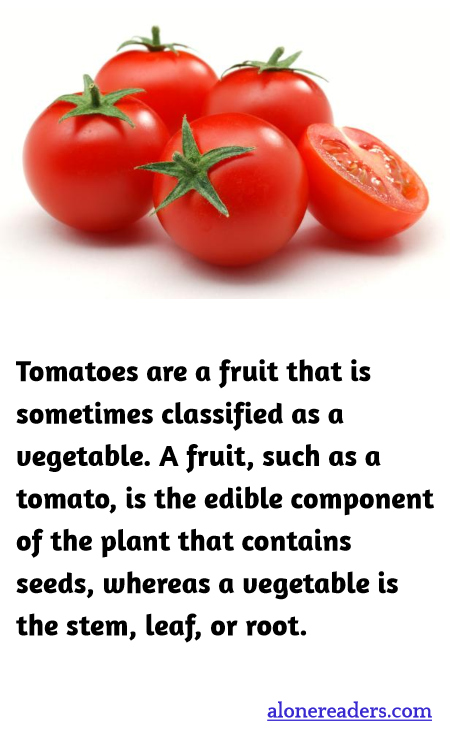
Tomatoes are one of the most ubiquitous and versatile fruits globally, often classified as vegetables due to their culinary applications. While botanically a fruit, as they contain seeds and grow from the flowering part of a tomato plant, tomatoes are generally used as vegetables in cooking. This classification debate is a fine example of how scientific and culinary perspectives can differ. In botany, any part of the plant that develops from the ovary of a flowering plant and contains seeds is classified as a fruit. This would include cucumbers, peppers, and avocados, often considered vegetables in the culinary world.
The confusion often arises because of the differences in usage between chefs and botanists. Culinary classifications are based primarily on the taste, nutritional contents, and how the ingredients are used in cooking. Since tomatoes are not as sweet as other fruits and are more versatile in savory dishes, they are commonly referred to as vegetables in kitchens around the world. This practical approach to classification is centered around the flavors and the roles that the ingredients play in food preparation.
The scientific classification came under the spotlight in 1893 when the U.S. Supreme Court ruled that tomatoes should be considered vegetables under U.S. customs regulations, based on the common culinary applications. This decision highlights the stark difference in how a single plant part can be classified under different standards depending on context.
Despite their classification, tomatoes offer numerous health benefits. They are a significant dietary source of lycopene, an antioxidant linked to many health benefits including reduced risk of heart disease and cancer. They are also rich in vitamin C, potassium, folate, and vitamin K. Whether a fruit or vegetable, the versatility of tomatoes spans across various cuisines and dishes, adding flavor, nutrition, and color to diets around the world.
This versatile nature of tomatoes, straddling the line between fruit and vegetable, offers a unique glimpse into the interplay between culture, cuisine, and science. Whether diced into salsas, cooked into sauces, or sliced fresh as part of a salad, tomatoes continue to be a staple ingredient that brings both households and food experts together, regardless of their botanical category. Such discussions not only enhance our understanding of food but also enrich our appreciation of how deeply intertwined and fascinating the world of culinary and botanical sciences can be.
