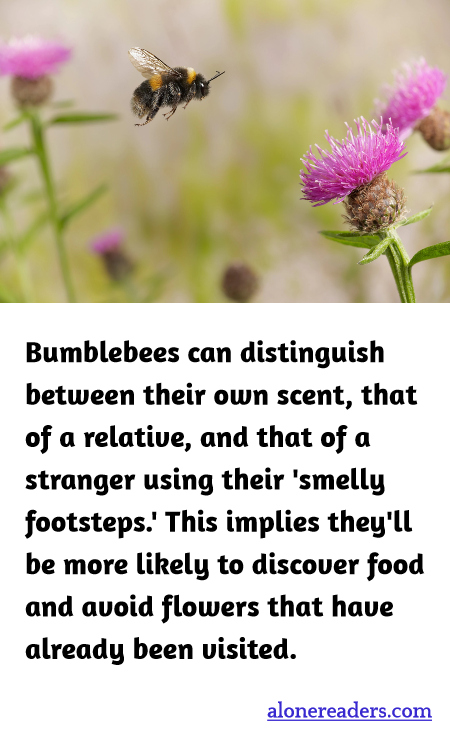
Bumblebees have an incredible and somewhat lesser-known ability to distinguish between different scents, which plays a crucial role in their foraging behavior and survival. As they move from flower to flower, bumblebees leave behind a unique scent in their footprints. This aromatic marker contains chemical cues that can convey a wealth of information to other bees. One of the most fascinating aspects of this discovery is that bumblebees can differentiate between their own scent, the scent of a relative, and the scent of a stranger. This ability not only enhances their foraging efficiency but also promotes better resource management within their community.
The ability to recognize whether a flower has recently been visited by a relative or a stranger allows bumblebees to optimize their foraging routes. Since flowers need time to replenish their nectar supplies, a flower that has recently been visited may not be a worthwhile stop. By identifying the scent left behind by another bee, a bumblebee can decide to skip that flower and move on to one with a fuller supply of nectar, thus saving time and energy.
This scent differentiation also has implications for the genetic diversity of the bumblebee population. By preferring flowers that strangers have visited, bumblebees inadvertently promote outcrossing, which is the fertilization of one plant by the pollen from another unrelated plant. This genetic mixing is beneficial for the health and resilience of plant populations, as it enhances the genetic variability in the succeeding generation of plants.
Moreover, the recognition of kin via scent marks could potentially influence the social dynamics of bumblebee populations. It could affect how they interact with close relatives versus non-relatives, which in turn might impact their cooperative behaviors and the structure of their social network.
The sophisticated use of scents by bumblebees highlights an advanced level of olfactory communication that is comparable to behaviors seen in more traditionally recognized intelligent animals like mammals and birds. This not only broadens our understanding of insect cognition and social interaction but also underscores the complexity of ecosystems and the interconnectedness of life forms within them. This knowledge enhances our appreciation of these industrious pollinators and points to the importance of preserving their habitats and ensuring their survival.
