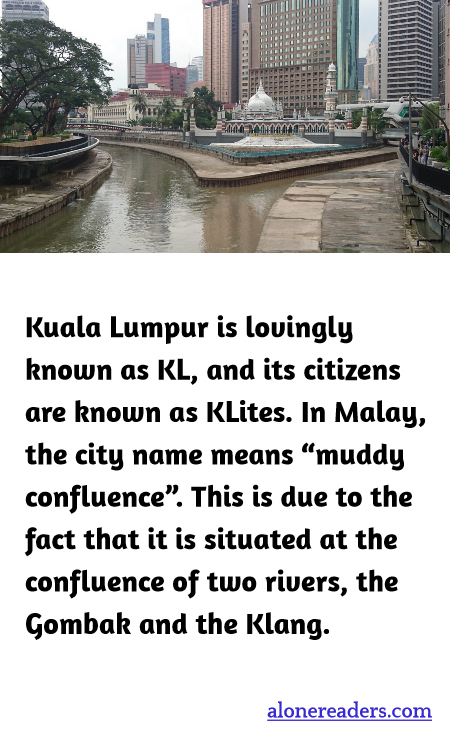
Kuala Lumpur, commonly referred to by its affectionate nickname KL, holds a unique juxtaposition of tradition and modernity within its bustling cityscape. The term 'Kuala Lumpur' translates intriguingly to 'muddy confluence' in Malay, a nod to its geographic beginnings where the Gombak and Klang rivers unite. This seemingly humble origin story belies the vibrant, thriving metropolis it has grown into, widely recognized for its skyscrapers and vibrant street life.
The residents of Kuala Lumpur, known as KLites, represent a diverse tapestry of cultures and ethnicities, contributing to the city's dynamic cultural environment. This diversity is most palpable in the variety of culinary offerings and the fusion of architectural styles that dot the cityscape, ranging from ancient temples to modern skyscrapers like the iconic Petronas Towers, which once held the title of the tallest buildings in the world.
KL's transformation from a sleepy little tin mining village in the 19th century to a leading global city today is a remarkable story of rapid growth and development. The city's economy has flourished, becoming a center for international commerce, finance, and tourism. The cultural richness of Kuala Lumpur is also evident in its celebrations and festivals, with events such as the colorful Thaipusam procession at the Batu Caves and the vibrant KL Fashion Week showcasing both the traditional and contemporary aspects of KL life.
Despite its fast-paced development, Kuala Lumpur has maintained a balance with nature and tradition, with several green spaces such as the KLCC Park and the Perdana Botanical Gardens providing residents and visitors alike a respite from the urban rush. The harmonious blend of modernity with the lush, natural environment and rich traditions make Kuala Lumpur not just a powerhouse city in economic terms, but also a locale of deep cultural resonance and enduring charm.
