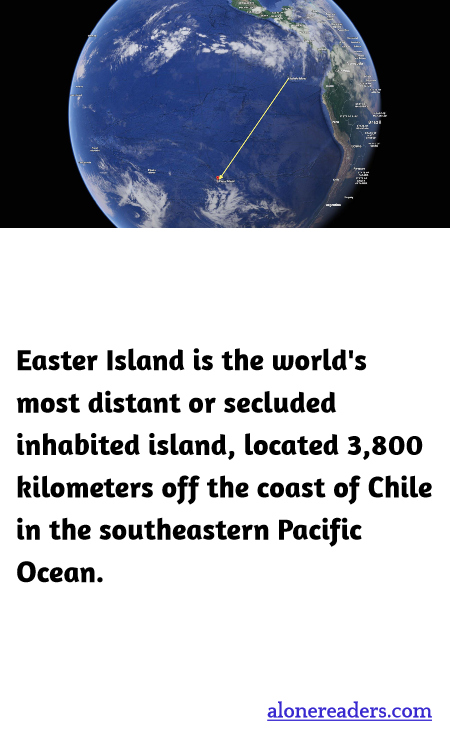
Easter Island, also known as Rapa Nui to its native Polynesian inhabitants, holds a unique place in the collective imagination due to its geographical isolation and the enigmatic moai statues that dot the landscape. The island is indeed one of the most remote inhabited islands in the world, lying some 3,800 kilometers west of continental Chile and 2,075 kilometers east of Pitcairn Island, making it a tiny speck in the vast expanse of the Pacific Ocean.
The moai, the monolithic statues for which Easter Island is world famous, were crafted by the Rapa Nui people. They are believed to represent the spirits of ancestors, chiefs, or other high-ranking males who had supernatural powers over the communities. There are about 900 of these statues, with some standing at impressive heights of up to 10 meters and weighing over 80 tons. It is still somewhat of a mystery how these massive structures were moved and erected across the island during a period between 1250 and 1500 CE.
Despite its isolation, Easter Island was not spared from external influences. The first recorded European visitor was Dutch explorer Jacob Roggeveen, who encountered the island on Easter Sunday in 1722, hence the name. In the following centuries, the island faced numerous trials including slave raids and the introduction of diseases which devastated the local population, followed by annexation by Chile in 1888.
Modern challenges include managing tourism, which has increased significantly in recent decades. This influx, while beneficial for the economy, also poses threats to the fragile local environment and its archaeological treasures. Efforts are being made to balance economic benefits with cultural and environmental preservation.
The local Rapa Nui people today are striving to reclaim their heritage and autonomy. Although politically part of Chile, there's a strong movement for greater independence or at least significant self-governance so that the Rapa Nui can maintain their cultural identity and make decisions best suited to their needs.
The history and current status of Easter Island serve as a powerful reminder of the complexities inherent in managing and preserving isolated communities. As the world becomes increasingly globalized, places like Easter Island challenge us to consider how best to respect and preserve indigenous cultures while fostering necessary economic development.
