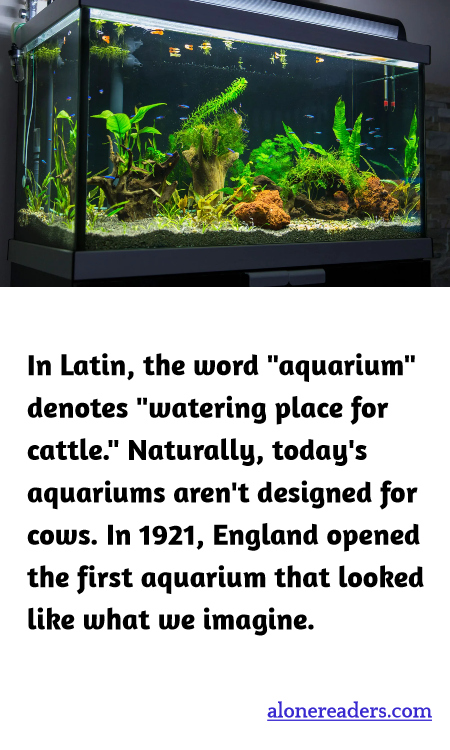
The term "aquarium" originates from the Latin word "aqua," meaning water, combined with the suffix "-rium," indicating a place or building. While its roots suggest a rather pastoral function as a watering place for cattle, the contemporary meaning of an aquarium as a space to exhibit and maintain aquatic plants and animals in a controlled environment is markedly different.
The evolution of the aquarium from a mere watering hole to a sophisticated habitat for aquatic life began in earnest in the Victorian era. Philanthropist and marine biologist Philip Henry Gosse is credited with popularizing the term "aquarium" in the 1850s and pioneering the development of the public aquarium. Before this, glass containers used to house aquatic life were colloquially known as "fish globes".
It wasn't until 1921 that the concept transformed significantly into what most envisage today as an aquarium. The opening of the first public aquarium in England during that year marked a significant milestone. This facility was not just a collection of tanks but was designed to showcase aquatic ecosystems in a way that educates and entertains the public about the mysteries and wonders of aquatic life.
Modern aquariums serve a variety of purposes: they are centers of education, conservation, and research. They play crucial roles in breeding endangered species and teaching the public about the often fragile ecosystems within our oceans and rivers. Large aquariums, such as the Georgia Aquarium in the United States or the S.E.A. Aquarium in Singapore, house vast collections of species, ranging from tiny coral polyps to large sharks, showcasing the biodiversity of aquatic environments.
With advances in technology, today’s aquariums have managed to replicate complex marine and freshwater habitats, offering a glimpse into environments that are usually hidden beneath water. In doing so, they not only fulfill a centuries-old human curiosity but also serve a greater ecological purpose. By bridging the gap between humanity and the aquatic world, aquariums play an indispensable part in environmental conservation, providing insights and fostering a deeper respect for one of Earth's most vital resources: water and the life it sustains.
