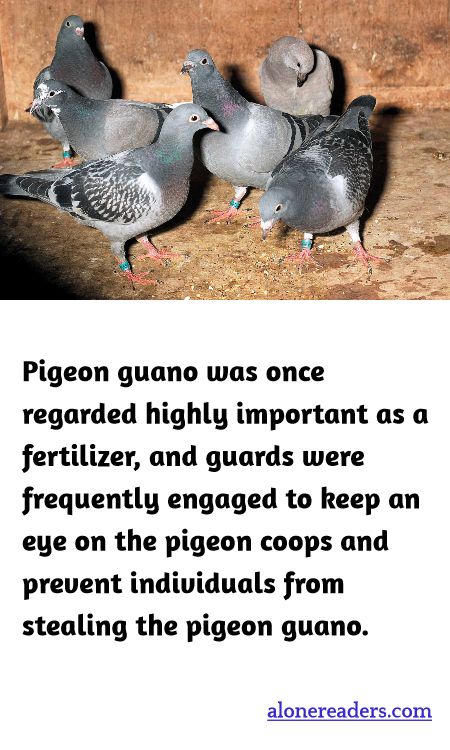
Pigeon guano, or pigeon droppings, was historically valued as a highly effective fertilizer due to its high nitrogen, phosphate, and potassium content, essential nutrients that contribute to plant growth. This recognition of pigeon guano's properties traces back to centuries ago when agriculture was predominantly organic, and effective natural fertilizers were in constant demand. The substance was so prized that pigeon coops were often guarded to prevent theft, underscoring the economic and agricultural value placed on pigeon guano.
The use of pigeon guano as fertilizer has deep historical roots. During the 16th century, it was considered one of the best manures, alongside sheep and cattle dung. Its high nitrogen content particularly made it superior for crop production compared to other manures. Traditionally, cultures around the Mediterranean would collect and use pigeon guano to enhance the productivity of their vineyards and olive groves, believing that the guano promoted not only growth but also improved the quality of the produce.
In some regions, pigeon houses, or dovecotes, were constructed not only to house pigeons but also as a means to systematically collect guano. These structures were often elaborately built and became part of the estate's architectural heritage. Guards were employed to watch over these dovecotes, a task that was crucial to preventing the valuable guano from being stolen. The role of these guards was akin to that of modern-day security personnel in high-value facilities.
However, the value of pigeon guano has waned with the advent of modern chemical fertilizers, which are easier to produce and apply. While these synthetic alternatives have overtaken pigeon guano in popularity and usage, there is a renewed interest in organic gardening and farming practices that might bring pigeon guano back into the spotlight as a viable, environmentally friendly option. Its organic nature makes it an attractive choice for sustainable practices, striving for reduced chemical inputs in agriculture.
Despite its diminished role today, the historical importance of pigeon guano as a fertilizer reflects a time when agricultural practices were intimately tied with natural resources, highlighting how past societies utilized and valued natural products. The guarding of pigeon coops is a testament to the lengths societies would go to secure agricultural assets, which were directly linked to their sustenance and economic stability.
