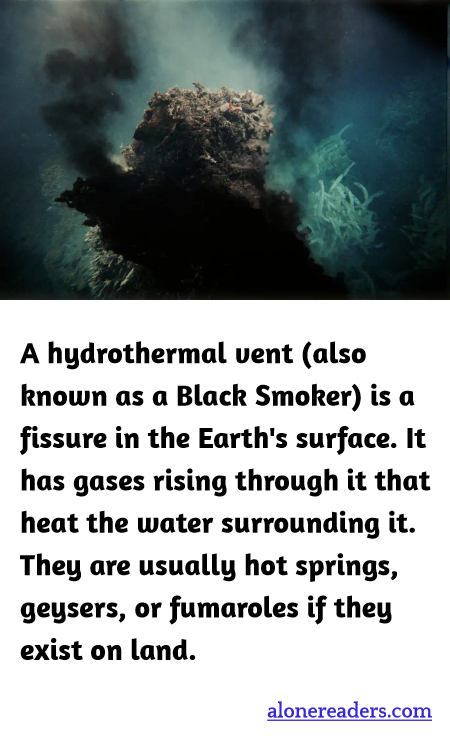
Hydrothermal vents, commonly referred to as black smokers due to the dark-colored materials they emit, are fascinating and unique features located on the ocean floor. These vents are essentially fissures from which geothermally heated water emerges, typically found along mid-ocean ridges where tectonic plates are diverging. The process begins deep within the Earth where magma heats surrounding water. This heated water then rises through the ocean crust, dissolving minerals and chemicals from the rocks as it moves. When it reaches the ocean floor, the superheated water, which can be as hot as 400°C (750°F), mixes with the cold ocean water.
The dramatic temperature difference causes minerals contained in the fluid to precipitate out, creating the distinctive dark plumes that are characteristic of black smokers. These deposits build up and form chimney-like structures around the vent. The unique environment of hydrothermal vents has led to the development of diverse ecosystems that rely on chemosynthesis rather than photosynthesis. In contrast to the majority of life on Earth which draws its energy from the sun, the life forms around these vents derive their energy from chemicals in a process called chemosynthesis. Sulfur and other minerals in the vent fluids are utilized by specialized bacteria and archaea, which in turn provide nutrients to other organisms in the food chain, such as tubeworms, clams, and shrimp.
On land, similar phenomena can be observed in the form of hot springs, geysers, and fumaroles. These features also arise from geothermal activity and share a common mechanism with their underwater counterparts, though they are often less extreme in their temperatures and mineral content due to different environmental conditions. Hot springs occur when hot water from the Earth’s crust emerges to the surface, cooling as it comes into contact with lower-pressure, cooler air. Geysers are a more dramatic variation, where underground water under pressure is periodically ejected as steam and hot water. Fumaroles, the least aqueous of the three, are openings in the Earth’s crust emitting steam and gases, including sulfuric compounds which can give them a strong odor.
Understanding hydrothermal vents and their terrestrial equivalents provides important insights into geological processes and the extremes of life. These environments not only give us clues about the forces that shape our planet but also offer hints about life could exist in similarly harsh conditions elsewhere in the universe. Their study could help inform the search for extraterrestrial life, broadening our conception of where life can thrive.
