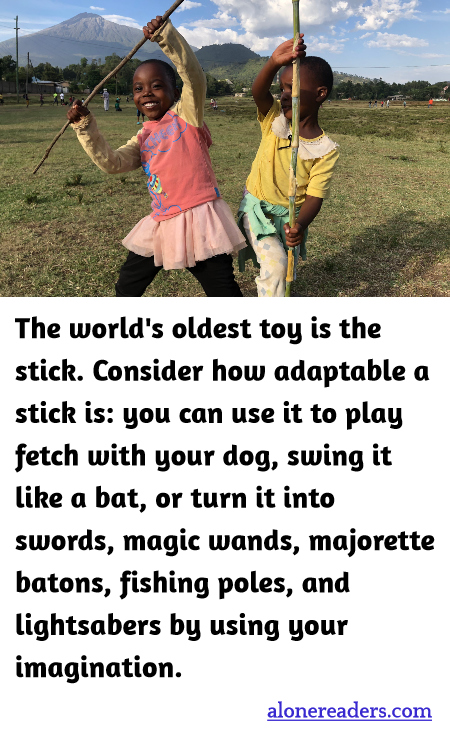
The humble stick, often overlooked, is perhaps the oldest and most versatile plaything known to humanity. From the earliest times, children have picked up sticks and transformed them into tools for play, adventure, and imagination. A stick can be as straightforward or as complex as the child holding it, serving multiple purposes and sparking endless creativity.
Imagine a typical scene in a park: children running wild, sticks in hands, orchestrating grand adventures. These sticks, found just about anywhere—forests, backyards, urban parks—are nature's gifts that require no manufacturing and are completely free. This simplicity and accessibility make the stick an enduring favorite among toys.
The power of the stick lies in its ability to become anything in the eyes of a child. With a dash of imagination, it morphs into a sword for heroic battles, or a magic wand casting enchanting spells. It can be a majorette's baton leading a parade, or a fishing pole beside a tranquil river. The possibilities are virtually limitless. Beyond just fun, playing with sticks has educational benefits too. It encourages outdoor play, essential for physical health, and stimulates creative thinking and problem-solving skills.
Historically, sticks have not only been playthings but also tools for learning. They have been used to draw figures in the ground, teaching geometry, art, and even early writing skills. This demonstrates how integrative and educational simple natural objects can be when viewed through the lens of play.
Despite the advent of digital and high-tech toys, sticks remain a fundamental part of childhood. They represent a bridge between generations, unchanged by technology or trends. The stick is a testament to the enduring nature of play, driven by imagination and the natural world. As we move forward, embracing sustainable practices and returning to simplicity can lead us back to appreciating these basic, yet profound, elements of childhood and play. The world’s oldest toy, it seems, still has much to teach us about how to engage with the world creatively and sustainably.
