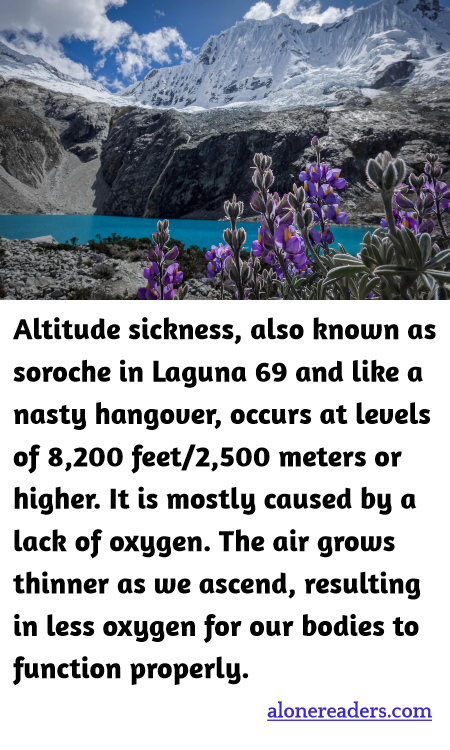
Altitude sickness, often referred to as soroche at locations like Laguna 69, mirrors the unpleasant effects of a severe hangover and typically occurs at elevations above 8,200 feet (2,500 meters). This condition primarily stems from the decreased availability of oxygen, which becomes progressively thinner as elevation increases. At higher altitudes, the air contains less oxygen, and this shortfall challenges the body's ability to function efficiently.
The onset of altitude sickness can be swift and without warning, impacting anyone regardless of fitness level or age. Symptoms range from mild to severe and include headaches, dizziness, fatigue, nausea, and difficulty sleeping. In more severe cases, it can lead to swelling of the brain and lungs, posing serious health risks if not treated timely.
Prevention is pivotal when traveling to high altitudes. Gradual ascent is highly recommended, allowing the body time to acclimatize to the decreasing oxygen levels. This adaptation involves physiological changes, such as increased red blood cell production and deeper breathing, which help enhance the body's ability to utilize the reduced oxygen available.
Staying hydrated is another crucial preventative measure. Dehydration exacerbates the symptoms of altitude sickness, so maintaining fluid intake is essential. Moreover, avoiding strenuous activity as you adjust to higher elevations can also mitigate risks. In some cases, doctors may prescribe medications like acetazolamide to help prevent and treat altitude sickness, especially during rapid ascents.
If symptoms develop, the best immediate treatment is to descend to a lower altitude as quickly and safely as possible. Resting at a lower elevation often results in a rapid improvement of symptoms. If descending is not possible or if symptoms are severe, it is important to seek medical attention immediately. Continuing to ascend with symptoms of altitude sickness can lead to more serious and potentially fatal conditions.
For travelers planning a visit to high-altitude destinations like Laguna 69, adequate preparation, acclimatization, and awareness of the symptoms of altitude sickness are crucial for a safe and enjoyable experience. Understanding these elements not only helps in preventing discomfort but also ensures the health and safety of the adventure.
