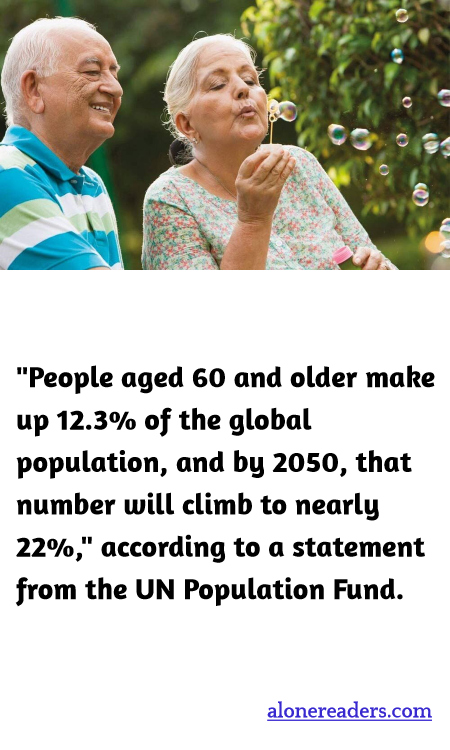
The demographic shift toward an aging population is a global phenomenon with far-reaching implications for economies, healthcare systems, and social structures. As the percentage of individuals aged 60 and over is projected to nearly double by 2050, societies worldwide are facing the challenge of adapting to this change. This trend, driven by increased life expectancy and declining fertility rates, presents both opportunities and challenges.
One of the primary concerns is the pressure this shift places on public health systems. Older populations are more susceptible to chronic diseases and require more medical care, which can lead to increased healthcare costs and greater demand for specialized healthcare professionals. In addition, there will be a need for more long-term care facilities and services that cater specifically to the needs of the elderly.
Economically, the impact is also significant. With more people leaving the workforce, there could be a reduction in the labor force participation rate, which can slow economic growth. This shift could also strain pension systems and require reforms to ensure that they remain solvent and can provide adequate benefits to retirees.
However, this demographic change also offers an opportunity to harness the potential of older adults who can significantly contribute to society. By promoting active aging, where older individuals remain physically, socially, and mentally engaged, societies can benefit from their experience and wisdom. Further, the silver economy, which encompasses all the economic activities related to the needs and lifestyle of older people, offers tremendous opportunities for innovation, from healthcare technology to leisure and tourism.
To address these issues effectively, policymakers must implement strategies that focus on inclusive healthcare, sustainable pension systems, and opportunities for older adults to remain integrated in society. This includes promoting lifelong learning, volunteerism among retirees, and flexible working conditions that can accommodate the older workforce.
Incorporating the preferences and needs of the aging population in urban planning is also crucial. This includes creating age-friendly cities that improve accessibility to public transport, healthcare, and social services, making it easier for the elderly to live independently and stay connected with their communities.
As the global population continues to age, it's clear that the societal implications will be broad and profound. Successfully adapting to these changes will require coordinated efforts between governments, private sectors, and communities to create supportive environments that cater to the needs of older adults while leveraging their potential to contribute to society.
