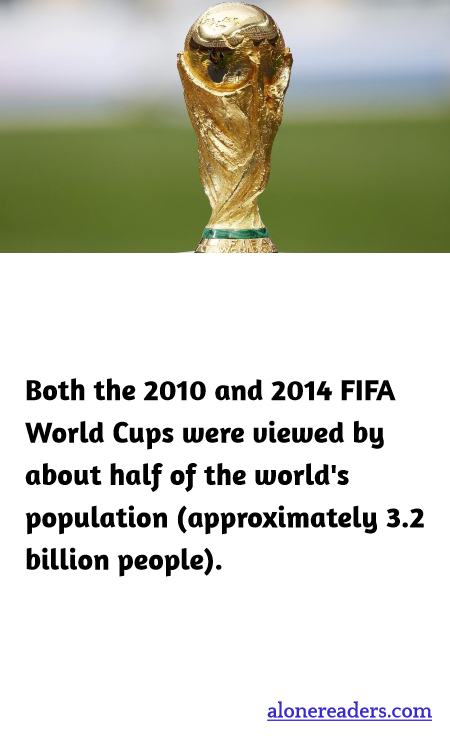
The 2010 and 2014 FIFA World Cups, held in South Africa and Brazil respectively, captured the attention of approximately half the world's population, each event tallying an audience of around 3.2 billion people. This immense viewership underscores the unifying power of football, a sport that transcends cultural and national boundaries. The 2010 World Cup was particularly historic as it was the first time the tournament was hosted by an African nation, offering a platform for South Africa to showcase its rich cultures and landscapes. The event was marked by an atmosphere of inclusivity and celebration, with the vuvuzela horns becoming a global symbol of the South African football experience.
Four years later, the tournament moved to Brazil, a country synonymous with football excellence, where the passion for the game is embedded in the very fabric of its culture. The 2014 World Cup was notable for its dramatic matches and surprising outcomes, including the unforgettable semi-final where Germany defeated Brazil 7-1 on their own soil, an event that stunned football fans around the world. Similarly to its predecessor, the 2014 tournament brought people together, both in stadiums and through broadcasts, shared across various platforms, from television screens to mobile devices.
The staggering viewership numbers for both tournaments were facilitated by extensive global broadcasting strategies, making it possible for fans in virtually every corner of the world to participate in the excitement. These figures not only attest to the global appeal of football but also to the sport's ability to foster a sense of unity and shared passion among diverse global populations. Through moments of joy, disbelief, celebration, and heartbreak, the FIFA World Cup occasions provide a universal language that millions around the world speak fluently, regardless of their background.
Moreover, the massive audiences of these tournaments offer significant opportunities for host countries in terms of economic impact, international visibility, and the promotion of national unity. As countries invest in infrastructure, tourism, and cultural presentations, the World Cup serves as more than just a sporting competition; it is a month-long global festival that showcases the unique qualities of the host nation while also contributing to a global narrative of sport and camaraderie. This blend of competition and celebration is what continues to draw billions of viewers, making the FIFA World Cup a cornerstone event in the international sports calendar.
