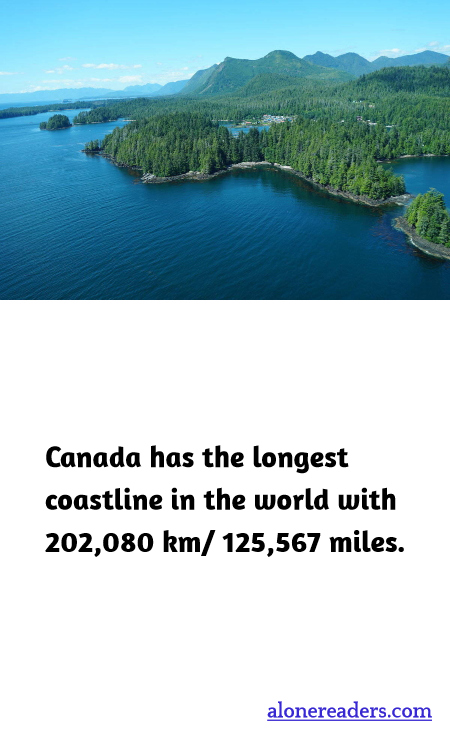
Canada is renowned for boasting the longest coastline in the world, stretching an impressive 202,080 kilometers (125,567 miles). This vast expanse of coastline outlines the entire country, touching three major bodies of water: the Atlantic, Pacific, and Arctic Oceans. The sheer length and diversity of Canada's coast are not merely geographical features but are integral to the nation’s identity, influencing its culture, economy, and history.
The variety of the Canadian coast is staggering, ranging from the rugged cliffs and fjords of Newfoundland and Labrador to the rainforests and rocky shores of British Columbia's Pacific Rim. Up north, the coastline is dramatically characterized by polar landscapes and ice-laden waters, providing a stark contrast to the more temperate regions. Each unique stretch of coastline supports a rich biodiversity, including various species of mammals, birds, fish, and marine plants, some of which are endemic to Canada.
Economically, Canada's coastline has been a linchpin for both local and national economies. The fishing industry has historically been vital, particularly in the Atlantic provinces, where fishing communities have depended on the abundant stocks of cod, lobster, and salmon. The long coastlines also facilitate substantial shipping routes, making Canada a key player in international trade. Moreover, the coastline's natural beauty attracts millions of tourists annually, contributing significantly to the tourism industry.
However, managing and protecting such an extensive coastline presents significant challenges, especially in the face of climate change. Rising sea levels, increased storm frequency, and melting Arctic ice are reshaping Canada’s coastal landscape and have profound implications for local communities and their economies. In response, various governmental and non-governmental initiatives focus on coastal conservation, sustainable development, and integrating climate resilience into planning and development.
In essence, Canada’s coastline is more than just a statistic; it's a fundamental part of the nation’s fabric, playing a critical role in ecological sustainability, economic prosperity, and cultural heritage. As changes in climate continue to pose a threat, the preservation of this vital asset remains a high priority for Canada, demonstrating a commitment to environmental stewardship and sustainable development.
