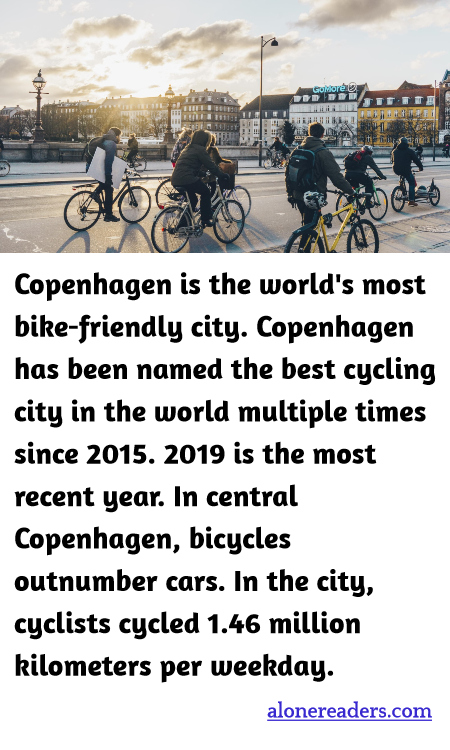
Copenhagen, Denmark's vibrant capital, is celebrated as the pinnacle of bike-friendly cities globally, consistently earning the top spot as the best cycling city since 2015, with its most recent accolade coming in 2019. The city's infrastructure and culture are profoundly intertwined with cycling, making it not just a mode of transport but a way of life for its residents.
In Copenhagen, the bicycle is king. The number of bikes surpasses the number of cars, which is a testament to the city's successful policies in promoting cycling over driving. This shift is supported by an extensive and well-maintained network of bike lanes that ensure safe and efficient travel across the city. Remarkably, cyclists in Copenhagen cover a combined total of 1.46 million kilometers per weekday, highlighting the community's preference for this eco-friendly mode of transportation.
The city's commitment to cycling stems from a combination of environmental considerations and a focus on improving public health. By encouraging more people to bike, Copenhagen reduces its carbon footprint significantly, combatting urban pollution and contributing to the global effort against climate change. Furthermore, cycling is integrated into the daily lives of the people, promoting physical fitness and well-being.
Copenhagen's model serves as an inspiring example for cities worldwide, proving that urban areas can be both vibrant and sustainable. The prioritization of bicycles over vehicles results in quieter, cleaner streets and fosters a stronger sense of community among residents. As cities around the globe grapple with congestion and pollution, Copenhagen’s continued success reminds us of the powerful impact of building cities around people, not cars. The Danish capital not only supports a greener Earth but also showcases the potential for urban areas to enhance the quality of life for all their inhabitants through thoughtful, proactive city planning and community-focused policies.
