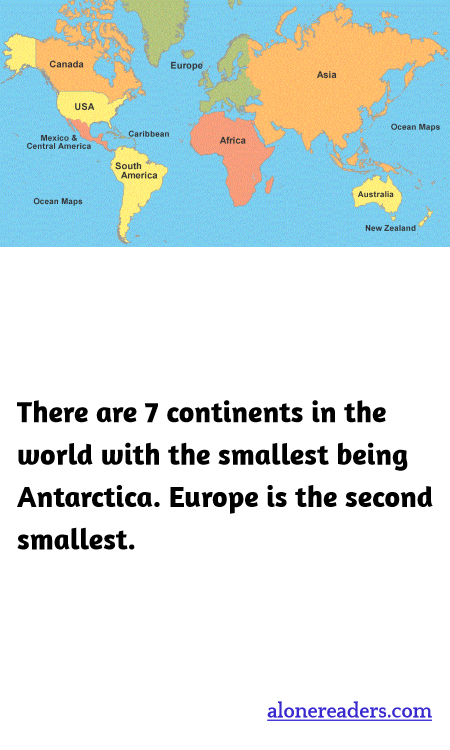
Antarctica, the smallest continent on Earth, covers an area of about 14 million square kilometers, yet it remains the least inhabited. Characterized by its extreme cold, this icy expanse is renowned for its majestic landscapes that include vast ice sheets, towering glaciers, and rugged mountains. Despite its harsh conditions, Antarctica plays a critical role in the global climate system, impacting ocean currents and weather patterns far beyond its boundaries. The continent is primarily a place of research, where scientists from around the world study everything from climatology to astrobiology, leveraging the unique conditions that this polar region offers.
Europe, the second smallest continent, is significantly different in contrast. Spanning about 10 million square kilometers, it's densely populated and rich in history and culture. Europe's landscape is incredibly diverse, ranging from the Arctic tundra of Scandinavia to the lush greenery of the Mediterranean. This continent has been the center of many historical developments, including the Renaissance and the Industrial Revolution, which have had profound influences on the global stage. Today, Europe is celebrated for its cultural diversity, economic strength, and influential role in global geopolitics.
Both continents, while varying in climate, environment, and usage, are integral to Earth's system. Antarctica's vast icy reserves and unique position affect sea levels and global temperature, making its health critical to environmental stability worldwide. Meanwhile, Europe's contribution to global culture, science, technology, and politics showcases the dynamic role of human civilization in shaping our world. Together, these continents embody the natural and human-made complexities of our planet.
