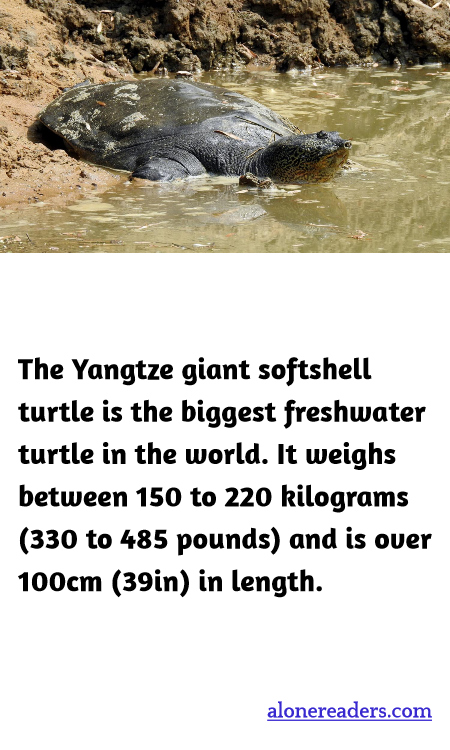
The Yangtze giant softshell turtle, known scientifically as Rafetus swinhoei, holds the title for being the world's largest freshwater turtle, and it embodies a unique blend of aquatic grandeur and critical endangerment. Weighing between 150 to 220 kilograms and measuring over 100 centimeters in length, this majestic creature is truly a giant among its kind. Originally found abundantly in the Yangtze River and other water bodies in China and Vietnam, its population has alarmingly dwindled over the past decades.
The primary factors contributing to the decline of this species include habitat destruction, pollution, and poaching. The Yangtze River, once a flourishing habitat for this species, has seen significant ecological changes due to human activities such as dam construction and heavy boat traffic. These activities not only alter the physical environment but also affect the water quality and food availability for the turtles.
Despite the challenges, there have been concerted efforts to save the Yangtze giant softshell turtle from extinction. Conservation programs involving both in-situ and ex-situ strategies are being implemented. Protected areas are being established in regions where the turtles still exist to safeguard their natural habitat from further degradation. Captive breeding programs are also in place, which involve meticulous monitoring and scientific intervention to increase the population under controlled conditions.
The plight of the Yangtze giant softshell turtle highlights a broader environmental crisis affecting freshwater ecosystems worldwide. It underscores the urgent need for global environmental policies that promote sustainable practices and biodiversity conservation. For the Yangtze giant softshell turtle, every effort made towards its conservation is a step not only towards saving a species but also towards maintaining the ecological balance of its natural habitat. The world continues to watch and support the struggle to bring this gentle giant back from the brink of extinction, hopeful that future generations might also experience the wonder of one of nature's most impressive creations.
