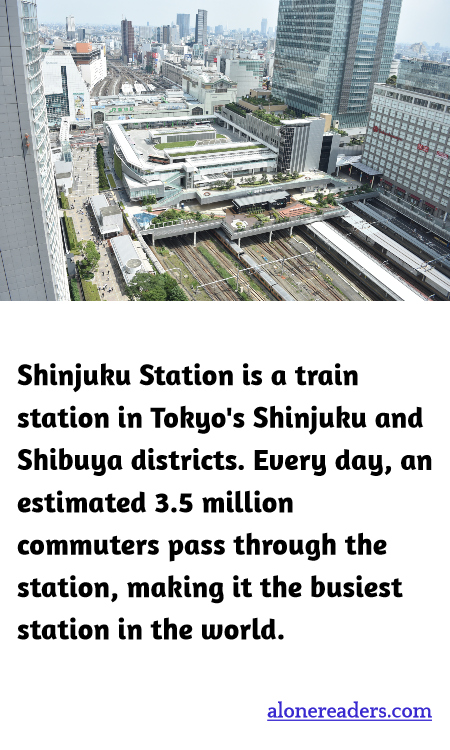
Shinjuku Station, located in Tokyo, Japan, serves as a pivotal hub in the bustling metropolises of Shinjuku and Shibuya. Known for its overwhelming foot traffic, the station accommodates an estimated 3.5 million commuters each day, earning it the title of the busiest train station in the world. This remarkable figure underscores the station's critical role in daily transportation, supporting Tokyo's reputation as a densely populated and fast-paced city.
The station's history dates back to its opening in 1885. Since then, it has expanded significantly, evolving into a complex network that includes a range of services from railways to retail. Today, Shinjuku Station is serviced by multiple railway operators, including JR East, the Odakyu Electric Railway, the Keio Corporation, and the Tokyo Metro. This integration of services facilitates seamless connectivity across various parts of Tokyo and beyond, catering to both local commuters and international tourists.
The complexity of Shinjuku Station is not just in its traffic but also in its layout. The station features over 200 exits, numerous platforms, and a vast array of train lines, including the famous Yamanote Line that circles central Tokyo. Navigating through the station's extensive facilities, which also house shopping malls, restaurants, and other commercial establishments, can be a daunting experience for first-time visitors. Yet, it remains a vital part of the daily lives of millions who rely on its efficiency and extensive network to reach their destinations.
Beyond its function as a transport hub, Shinjuku Station has also emerged as a cultural landmark. It reflects the urban dynamism of Tokyo and symbolizes the city's ability to manage immense logistical challenges. The station's bustling activity from early morning until late at night illustrates the non-stop pace of urban life in one of the world's most vibrant cities.
In essence, Shinjuku Station is more than just a point of transit. It is a microcosm of Tokyo itself—dynamic, complex, and incessantly alive. As urban development continues and technology advances, Shinjuku Station will likely continue to evolve, potentially setting new standards for what a metropolitan transit center can be. Whether one is a daily commuter, a curious tourist, or an urban planner, Shinjuku Station offers both a gateway and a fascinating glimpse into the organized chaos that characterizes modern urban living.
