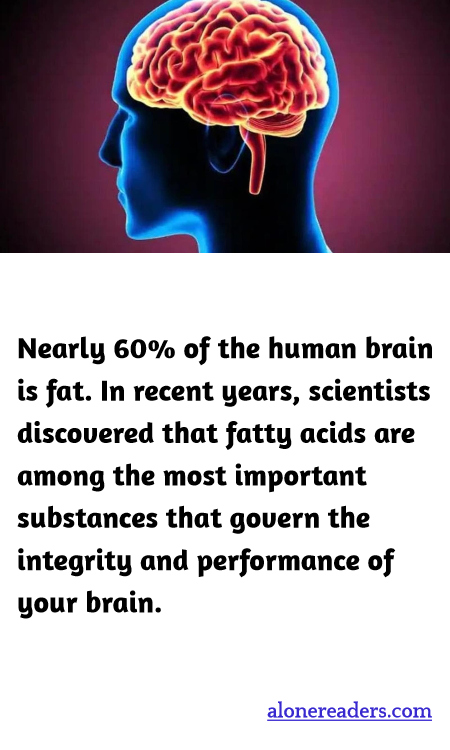
Fat in the human brain isn't just a passive substance; it plays a critical role in brain health and function. Encompassing nearly 60% of the brain's structure, fat is integral to the organ’s performance. Recent scientific discoveries emphasize that among the different types of fats, fatty acids are particularly crucial for the overall health of the brain.
Fatty acids, especially omega-3 and omega-6, are vital for maintaining the fluidity of cell membranes, which is essential for cells to communicate effectively. Adequate levels of these fatty acids are linked to improved cognitive function and mental health. For instance, Docosahexaenoic acid (DHA), an omega-3 fatty acid, constitutes around 20% of the cerebral cortex's weight and plays a significant role in the cognitive development in infants and in maintaining cognitive function in adults.
Furthermore, fatty acids can influence the brain’s capacity to manage inflammation and handle repair processes following injuries. They also play a role in neurogenesis (the growth of new neuronal cells), which is crucial for learning and memory. This is particularly significant as the brain's ability to regenerate and repair itself was once thought to be very limited, highlighting the importance of a diet rich in essential fatty acids.
However, the balance between different types of fatty acids is key. A diet excessively high in omega-6 fatty acids and low in omega-3 fatty acids can lead to inflammation, potentially harming brain function and leading to diseases. Conversely, a diet that includes a balanced intake of omega-3 and omega-6 can help maintain and even improve brain health.
Given these facts, the role of fatty acids in brain health cannot be overstated. They are not only fundamental building blocks but also facilitate crucial brain functions. Ensuring a diet rich in these essential nutrients can aid in maintaining cognitive functions, potentially reducing the risk of mental health issues and cognitive decline linked with aging. Thus, understanding the lipid composition of the brain not only paints a clearer picture of its functioning but also underscores the direct impact of diet on mental health and cognitive abilities.
