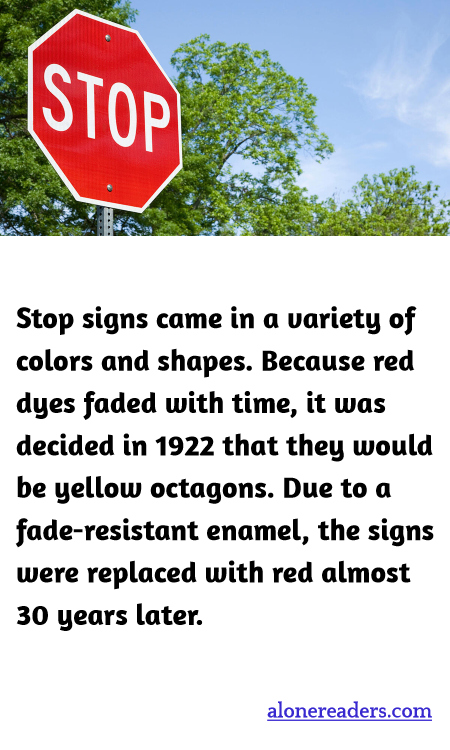
Stop signs, one of the most recognizable traffic signals globally, have an interesting history of evolution, particularly in terms of color and shape. Initially, stop signs were not uniformly red as we see them today. In the early 20th century, stop signs came in various shapes and colors, depending largely on local regulations and preferences. This resulted in a lack of consistency that could potentially confuse drivers, especially those traveling through different regions.
The need for a standardized road sign was evident, leading to significant changes in 1922. During this period, the American Association of State Highway Officials (AASHO) made a critical decision to standardize the stop sign to enhance safety and ensure consistency across states. However, the choice of color was determined by the practicality of the paint available at that time. They opted for yellow, primarily because red dyes available then were not resistant to fading and could not maintain their vivid hue for long under constant exposure to sunlight and weather conditions.
The iconic shape of the stop sign, the octagon, was chosen for its distinguishability. The unique eight-sided shape was intended to help drivers recognize the stop sign from other traffic signs, even from a distance or when the visibility was poor. This distinctiveness was vital for road safety, ensuring that the drivers could easily recognize the sign and adhere to its command, thus avoiding accidents.
It wasn't until almost 30 years later, around the early 1950s, that the red stop signs we are familiar with today became standard. This change was primarily due to advancements in materials and paint technology. A new enamel that was resistant to fading was developed, allowing the sign's bright red color to last much longer. The adoption of fade-resistant enamel ensured that the signs remained highly visible and maintained their vivid color over time, aligning with the goals of road safety and standardization.
Today, the red octagonal stop sign is not just a critical safety mechanism on roads worldwide; it is also a cultural icon, instantly recognizable and universally understood. The evolution of the stop sign from various colors and shapes to the standardized red octagon reflects broader trends in traffic management and road safety regulations, highlighting the significance of innovation and consistency in public safety measures.
