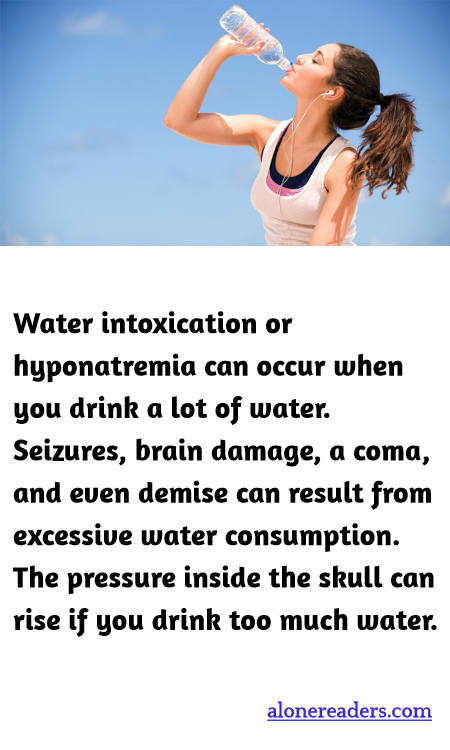
Water intoxication, also known as hyponatremia, is a serious condition that results from the dilution of sodium in the body due to excessive intake of water. Sodium is a vital electrolyte that helps regulate water balance in and around cells. When you drink too much water, the sodium in your body becomes diluted, and this imbalance can cause cells to swell. This swelling can be particularly dangerous when it occurs in brain cells, leading to increased intracranial pressure.
The symptoms of water intoxication can range from mild to severe and include nausea, headache, confusion, and in severe cases, seizures, brain damage, coma, and even death. The condition is most commonly seen in endurance athletes who consume large amounts of water during competitions without adequately replacing electrolytes. However, it can also occur in individuals, especially infants, elderly, or those with certain health conditions, who may drink excessive amounts without appropriate sodium intake.
Treatment for water intoxication involves careful management of fluid intake and electrolyte balance. This may include the administration of sodium-rich fluids and diuretics to promote sodium reabsorption and water excretion. Prevention is primarily through education about appropriate hydration strategies, especially during exercise or any other activity that involves excessive fluid loss.
Understanding the balance between hydration and electrolyte intake is crucial for preventing water intoxication. Drinking water is essential for health, but it should be balanced with other nutrients to maintain proper body function. It is always advisable to consult health professionals or nutritionists about proper hydration practices, particularly if engaging in extended physical activities or if there are pre-existing health concerns that might affect water and electrolyte balance.
