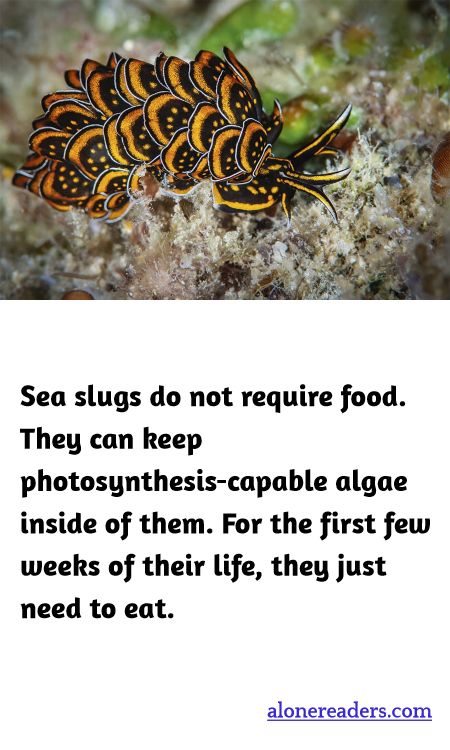
Sea slugs, particularly those belonging to the group known as sacoglossans, display a fascinating biological phenomenon unlike anything in the animal kingdom. They have the unique ability to incorporate photosynthetic algae inside their bodies, a process that allows them to survive without consuming food in the conventional sense. Initially, in the early stages of their lives, these sea slugs do need to feed. They consume algae, but instead of digesting all of it, they retain the chloroplasts from the ingested algae in their own tissues in a process known as kleptoplasty.
These retained chloroplasts continue to function as they would inside the algae, conducting photosynthesis and thereby producing glucose and other nutrients that provide sustenance to the sea slug. This allows the sea slugs to draw energy directly from sunlight, much like plants do. Essentially, these chloroplasts provide the sea slugs with an internal garden that can sustain them for months, or even for the entirety of their lives, which typically span less than a year.
This capability to bypass the traditional food chain and directly harness energy from the sun gives these sea slugs a significant evolutionary advantage. They can survive in nutrient-poor environments where other food sources are scarce or unavailable. Moreover, this unique trait of retaining functional algae chloroplasts also contributes to their vivid and varied colors, providing them with camouflage against predators.
Research in marine biology continues to explore the profound implications of this symbiotic relationship. It challenges traditional views on the boundaries between animal and plant life and has potential applications in biotechnology, perhaps someday leading to new ways of producing sustainable bioenergy. The study of sea slugs and their ability to perform photosynthesis accentuates the incredible diversity of life and the complex interactions that sustain different organisms within ecosystems.
