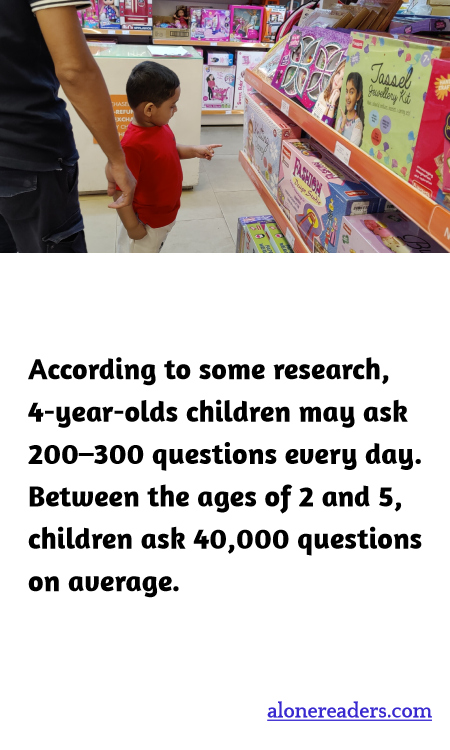
Children are naturally curious from a very young age, displaying an insatiable thirst for knowledge and understanding about the world around them. This curiosity is often expressed through the multitude of questions they ask, particularly during the early developmental stages. Studies suggest that children between the ages of 2 and 5 can ask an average of 40,000 questions, and it's not uncommon for a 4-year-old to ask between 200 and 300 questions in a single day. This constant inquiry serves as a critical component of their cognitive development and learning processes.
The incessant questioning by young children may sometimes feel overwhelming to parents and caregivers, but it plays a fundamental role in their developmental growth. Each question a child asks opens up opportunities for them to make sense of the world and their place within it. These questions range from simple inquiries about daily routines to more complex ones that challenge adults to think about how best to explain abstract concepts like time, love, or the reasons behind natural phenomena.
This process is not just about gathering facts; it's also about developing critical thinking and problem-solving skills. As they seek answers, children learn to form coherent thoughts and understand cause and effect. Their relentless questioning also encourages linguistic development as they learn to structure sentences correctly and use language to interact effectively with others.
Moreover, the nature and frequency of these questions can provide educators and parents with insight into a child’s cognitive and emotional development level. How these questions are answered can either encourage or stifle their thirst for knowledge. Positive reinforcement through engaged responses can motivate further inquiry and exploration, fostering an educational environment in which the child feels safe and valued.
Therefore, parents and educators are encouraged to nurture this curiosity by providing clear, thoughtful answers and by asking questions in return. This not only helps to satisfy their immediate curiosity but also aids in building the child's confidence and ability to conduct independent inquiry. Encouraging children to explore answers through books, experiments, or real-life observations further enhances their learning experience.
In conclusion, while the sheer volume of questions asked by children from ages 2 to 5 may seem daunting, it is a natural and critical phase of their development. By fostering an environment that encourages questions and provides thoughtful answers, caregivers can significantly contribute to the intellectual and emotional growth of their children, preparing them adequately for more complex life challenges ahead.
