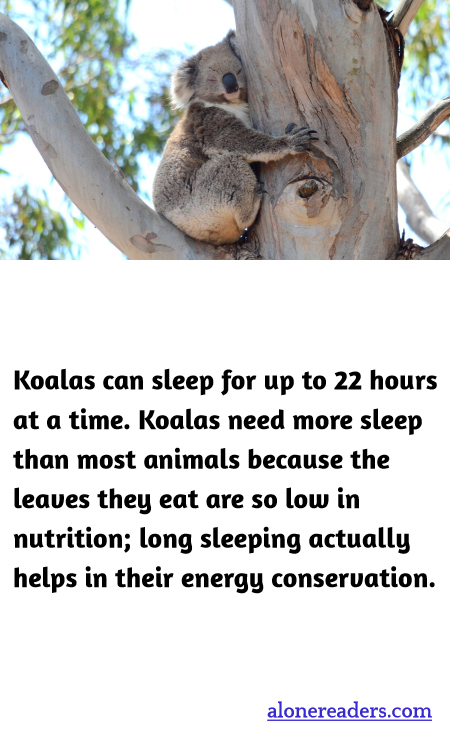
Koalas, one of Australia's most iconic and beloved marsupials, are known for their remarkable sleeping habits, often sleeping for up to 22 hours a day. This extensive sleeping pattern is not just a preference but a crucial biological necessity driven by their unique diet. Koalas feed almost exclusively on eucalyptus leaves, which although abundant, are relatively low in nutritional content and high in fibrous material.
The energy content of eucalyptus leaves is quite low, and to make matters more challenging, the leaves also contain compounds that can be toxic to many animals. Koalas, however, have evolved a specialized digestive system with a highly efficient form of hindgut fermentation to process these leaves, detoxify the harmful chemicals, and extract the maximum amount of energy possible. This process, however, is slow and energy-consuming itself, which necessitates longer rest periods, allowing for more efficient digestion and energy conservation.
Thus, by sleeping up to 22 hours a day, koalas minimize their energy expenditure, balancing out the low energy yield of their diet. The extra sleep aids in the slow digestion process necessary to break down the fibrous eucalyptus leaves. Sleep, in the case of koalas, is not merely a restorative activity but a significant evolutionary adaptation that allows them to thrive on a diet that would be inadequate for other species.
Furthermore, koalas do not simply sleep because their diet is energy deficient. The act of sleeping itself conserves energy by significantly reducing their overall bodily function during these extended periods of rest. When awake, koalas are often seen munching on leaves or moving slowly among the branches, exhibiting a very low level of physical activity in comparison to other animals. This lifestyle further assists in conserving the little energy they obtain from their diet.
This extraordinary sleep habit of koalas highlights the complex interplay between diet, metabolism, and energy conservation in wildlife, and how animals adapt to their environments in the most efficient ways. Understanding such unique biological adaptations not only enriches our knowledge of animal biology but also underscores the importance of preserving natural habitats that species are intricately adapted to.
