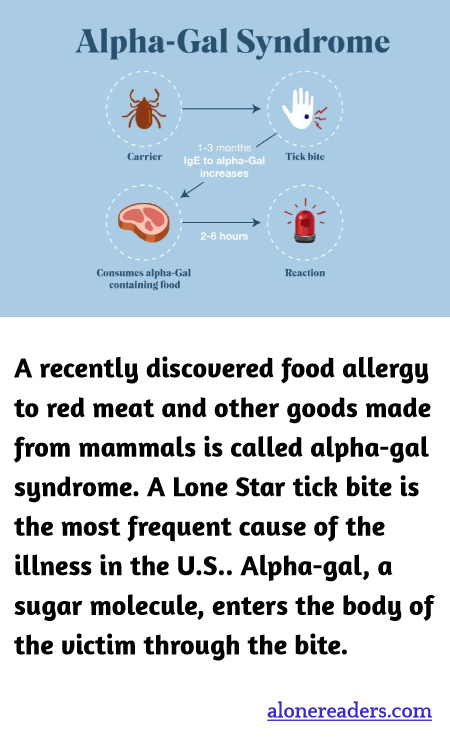
Alpha-gal syndrome is an allergic reaction to red meat and other products made from mammals, which is unlike many other food allergies because it is related directly to a carbohydrate molecule called alpha-gal (galactose-alpha-1,3-galactose). Unique in its origins, this allergy is not triggered by genetics or early exposure to allergens, but by the bite of a Lone Star tick, an arachnid predominantly found in the southeastern United States. The tick's bite introduces alpha-gal into the human body, setting off an immune system response that can later trigger allergic reactions when red meat or other mammalian products containing alpha-gal are consumed.
Symptoms of alpha-gal syndrome can vary widely but typically include hives, itching, swelling, and gastrointestinal distress. More severe reactions can also occur, such as difficulty breathing and a drop in blood pressure, symptoms similar to other severe food allergies. One of the syndrome's unique aspects is the delayed nature of the reaction; unlike typical food allergies, which tend to manifest within minutes, alpha-gal allergic reactions can take several hours to develop after consuming red meat. This delay often makes diagnosis more challenging and can initially puzzle both patients and healthcare providers.
Due to the increase in reported cases and geographic spread of the Lone Star tick, awareness and understanding of alpha-gal syndrome have become more critical. Currently, the primary recommendation for those diagnosed is the complete avoidance of alpha-gal-containing products—a challenging task that often requires significant dietary adjustments. This includes not only abstaining from obvious sources like beef, pork, lamb, and venison but also being vigilant about derivatives in processed foods and other products like gelatin and dairy.
While research continues to uncover more about the immune mechanisms behind alpha-gal syndrome and why some people develop it after a tick bite while others do not, those affected must be vigilant about what they eat and carry emergency medication in case of accidental exposure. The growing awareness and research efforts are aimed to eventually improve diagnostics, treatment options, and perhaps methods of prevention, making life safer and more manageable for those affected by this unconventional food allergy.
