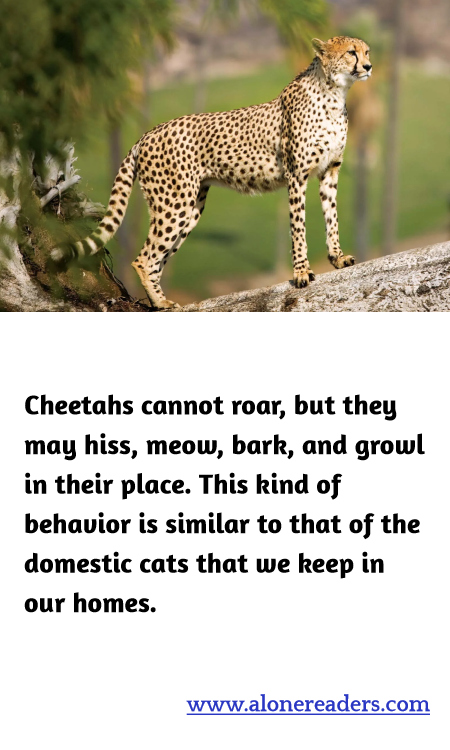
Cheetahs, known for their astonishing speed and striking spots, possess a range of vocalizations that differ significantly from other big cats like lions and tigers. Unlike their larger counterparts, cheetahs cannot roar due to the structure of the larynx. Instead, these fascinating creatures communicate using sounds more akin to smaller felines.
A cheetah's vocal repertoire includes hissing, growling, barking, and meowing. Each of these sounds serves a specific purpose. Hissing is often used as a warning sign, especially when a cheetah feels threatened or wants to ward off potential attackers. This can be seen in both wild cheetahs and those housed in conservation areas or zoos. Growling and barking are typically employed during moments of agitation or to assert dominance, particularly by males that are establishing or defending their territory.
Meowing in cheetahs, much like in domestic cats, can signify a range of emotions or needs, from discomfort to hunger, and is most frequently heard in interactions between mothers and their cubs. The similarity in vocalizations between cheetahs and house cats is quite remarkable, considering their wildly different lifestyles and environments. This shared vocal language points to the evolutionary pathways and adaptations specific to the feline family.
The inability to roar, a feature found in the genus Panthera (lions, tigers, leopards, and jaguars), stems from the cheetah's lack of a fully ossified hyoid bone in its throat. This lesser degree of ossification allows for greater flexibility but at the cost of being unable to produce the deep, resonant roars that lions and tigers use effectively to communicate over long distances. Instead, cheetahs rely on their other vocalizations and incredible speed for survival and communication.
Cheetahs' unique set of sounds serves them well and has allowed them to remain one of the most fascinating and effective predators in their habitat. Understanding and preserving their means of communication is crucial as conservationists work to protect these magnificent animals from threats such as habitat loss and poaching. Their distinctive voices not only highlight the diversity of the animal kingdom but also remind us of the common threads shared among all species, big and small.
