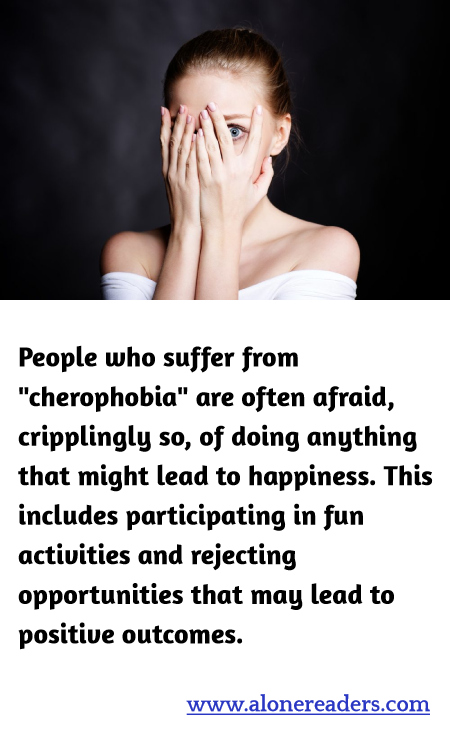
Cherophobia is a psychological condition where individuals have an irrational aversion to experiencing happiness. This condition often manifests as a persistent fear of engaging in activities that could lead to positive emotions or outcomes. Individuals suffering from cherophobia may avoid participating in fun events, social gatherings, or even casual interactions that might generally be considered enjoyable. The reasons for this fear can vary, but often involve deeply rooted beliefs that experiencing happiness will lead to something bad happening as a consequence.
The impacts of cherophobia on one’s life can be profound. It can lead to social isolation, as sufferers might decline invitations to social events or avoid relationships altogether out of fear that these interactions will lead to happiness and subsequently, to harm or disappointment. Academically or professionally, they might shy away from opportunities like promotions or accolades, which could increase their quality of life, because they fear the potential happiness could trigger negative events. This avoidance can stunt personal and professional growth, leading to a stagnated lifestyle devoid of typical joyful experiences.
Understanding and addressing cherophobia often requires professional help. Psychotherapy can be crucial in helping individuals understand the origins of their fear. Cognitive Behavioral Therapy (CBT), for example, is a common approach that could help sufferers challenge their negative thought patterns about happiness and learn to gradually expose themselves to their fears in a controlled, therapeutic setting. Additionally, mindfulness and stress-reduction techniques might help individuals manage anxiety associated with participating in potentially happy events.
In severe cases, where the phobia causes extreme anxiety, medication might be prescribed to help manage the symptoms, though this is typically used in conjunction with psychotherapy. The objective of these treatments is not only to help the individual cope with their fear of happiness but also to encourage a broader psychological resilience, enabling them to embrace positive experiences without overwhelming fear.
In conclusion, cherophobia is a complex condition that traps individuals in a paradoxical fear of happiness. By recognizing this phobia and seeking appropriate psychological help, those affected can begin to break down their fears and slowly build a life that includes happiness without associated dread.
