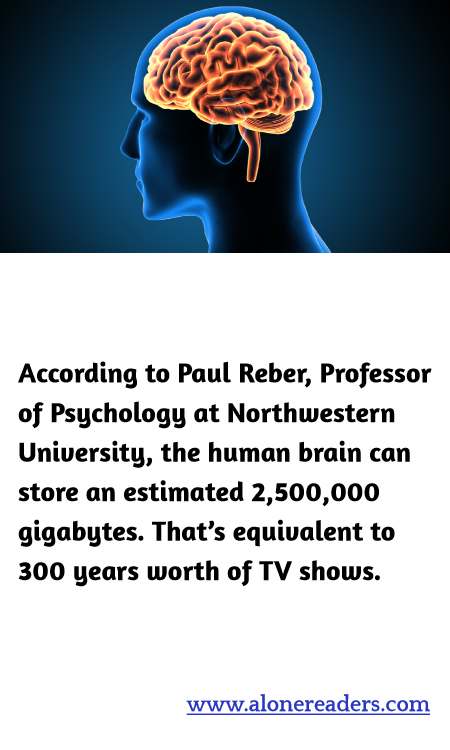
The incredible capacity of the human brain to store information has long intrigued scientists and laypeople alike. A fascinating perspective offered by Paul Reber, Professor of Psychology at Northwestern University, suggests that the human brain can store an estimated 2,500,000 gigabytes of data. To put this staggering figure into perspective, consider that it's akin to having the ability to watch 300 years worth of TV shows. This comparison not only highlights the vast storage capabilities of the brain but also underscores the complexity and efficiency of this vital organ.
The human brain, composed of approximately 86 billion neurons, each forming thousands of synaptic connections, represents the ultimate natural supercomputer. Every piece of information we encounter, every emotion we experience, and every memory we hold contributes to the vast repository of data that our brain manages with astonishing precision. The process of information storage and retrieval in the brain differs significantly from digital systems. Instead of storing data in binary form, the brain encodes and processes information through complex neural patterns and networks.
This immense storage capacity is crucial for the myriad cognitive functions we perform daily. From the basic retention of sensory inputs like sight and sound to the more complex storage of language, skills, and experiences, the brain's memory capacity plays a fundamental role in shaping our intelligence, personality, and ability to interact with the world around us. Moreover, this capacity supports the brain's remarkable plasticity—the ability to reorganize and adapt in response to new information, experiences, or injury.
Understanding the brain's capacity also opens up discussions about its limitations and vulnerabilities. For example, despite its vast storage capabilities, the brain is susceptible to disorders such as Alzheimer's, which impairs memory. Research into how the brain stores, retrieves, and loses information is vital for developing strategies to combat these challenges.
The comparison of the brain's memory capacity to storing 300 years worth of TV shows not only underscores the sheer scale of neural capability but also serves as a reminder of the potential that lies within each of us. As we continue to delve deeper into the workings of the brain, this knowledge pushes the boundaries of neuroscience, offering hope for new ways to heal, enhance, and understand our most mysterious organ.
