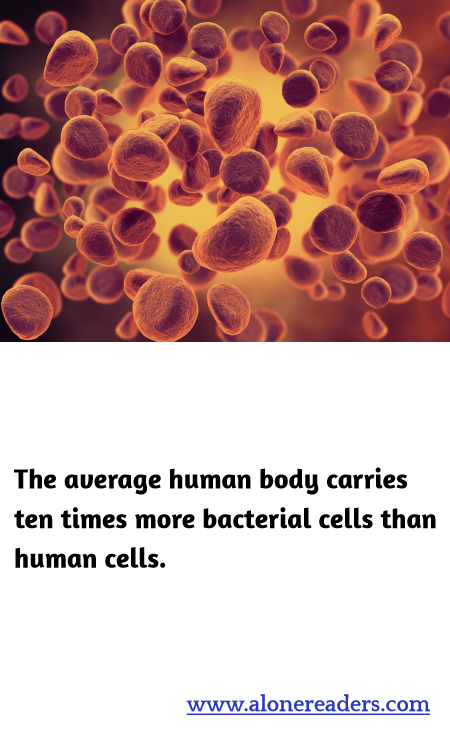
The human body is a complex ecosystem teeming with trillions of bacteria, many of which are beneficial and essential for health. Surprisingly, bacterial cells in the human body greatly outnumber human cells, roughly by a factor of ten to one. This means that for every human cell, there are about ten bacterial cells living mostly on the skin and in the digestive tract.
These bacteria are not merely passengers but play crucial roles in maintaining health. For instance, they assist in digesting food, protecting against pathogens, and even producing vitamins that the body cannot produce by itself, such as Vitamin K and some B vitamins. This collective of organisms is often referred to as the microbiota, with its most complex manifestations found in the gut, commonly known as the gut microbiome.
The gut microbiome influences not just digestion but also impacts the immune system. A balanced microbiome helps to prevent the overgrowth of harmful bacteria and trains immune cells to differentiate between harmful invaders and harmless entities. When this balance is disrupted, it can lead to a condition called dysbiosis, which is associated with a range of health problems, including allergies, obesity, inflammatory bowel disease, and even mental health issues like depression and anxiety.
Recent research suggests that the composition of one's microbiome is initially determined during birth, further influenced by diet, lifestyle, environment, and medication use. For example, the use of antibiotics, which are designed to kill harmful bacteria, can also indiscriminately kill beneficial bacteria, sometimes leading to long-term impacts on the microbiome.
Due to the central role of the microbiome in health, there is growing interest in therapies that target bacterial populations. These include prebiotics and probiotics. Prebiotics are compounds in food that induce the growth or activity of beneficial microorganisms. Probiotics are live bacteria that are intended to be administered to improve the "good" bacteria in the body, though their effectiveness can vary depending on the strains used and the existing state of a person’s microbiome.
In conclusion, the presence of a high number of bacteria in the human body highlights a critical aspect of our health, emphasizing the intricate relationship we have with these microscopic inhabitants. As research continues to uncover the vast influence of these microbial communities, it becomes increasingly clear that maintaining a balanced microbiome is fundamental to overall health.
