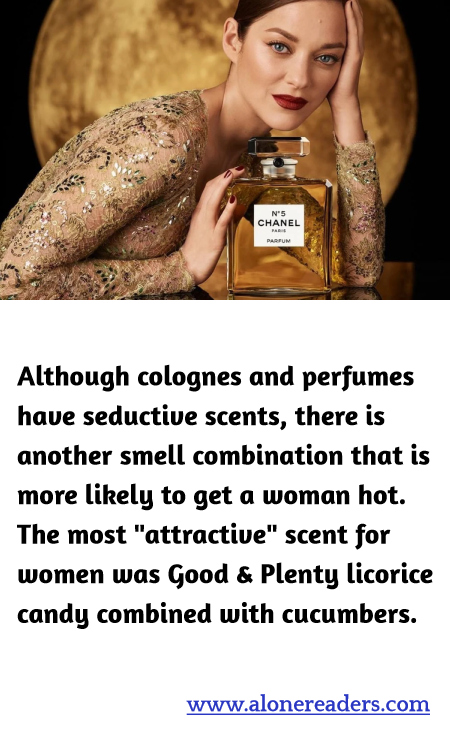
The intriguing interplay between distinct fragrances and human sensory perception never ceases to fascinate and surprise. Notably, an unconventional scent combination has been identified as particularly compelling in terms of attracting women: the mixture of Good & Plenty licorice candy and cucumbers. This finding comes from research into how certain smells can evoke emotional and physical responses, which is crucial in personal attraction and the field of aromachology, the study of the influence of odors on human behavior.
Good & Plenty, a brand of licorice candy known for its distinctive pink and white capsules, offers a sweet, comforting aroma reminiscent of childhood treats and carefree moments. Meanwhile, cucumbers provide a fresh, clean, and almost neutral scent, widely appreciated for its subtlety and soothing qualities. When these two are combined, they create a sensory experience believed to be unusually appealing to women. This juxtaposition of the warming, familiar aroma of licorice against the crisp, green freshness of cucumber creates a balanced and enticing fragrance.
The scientific community hypothesizes that this combination triggers positive emotional responses and can subconsciously stimulate attraction. The unique blend taps into comfort and freshness, appealing to a woman's sense of smell without being overwhelming, which is a common issue with traditional perfumes that may lean too heavily on floral or musky notes.
Moreover, the implications of this discovery are far-reaching, extending beyond mere personal use to potentially influencing product development in industries such as home fragrances, body care, and even food products. It offers new insight into consumer behavior and preferences, prompting manufacturers to explore the emotional driver behind scent preferences and their intertwining with individual personalities.
What is particularly fascinating about this finding is how it lays the groundwork for future experiments and scent combinations, encouraging a break from traditional pairings in pursuit of creating scents that not only please but also elicit a deep emotional response. As we continue to unravel the complexities of olfactory influences, it becomes increasingly clear that the power of scent is a profoundly underexploited human sense that holds the key to unlocking behaviors and preferences. Thus, the discovery of the attractive potential of licorice candy and cucumber scents could revolutionize how we think about and utilize fragrances in everyday life.
