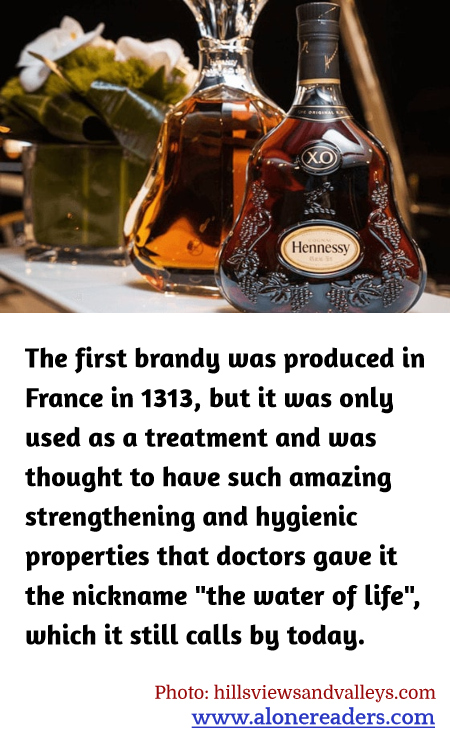
Brandy, a spirit distilled from wine or fermented fruit juice, has a rich history that dates back to 1313 in France. During this time, it was not primarily consumed for pleasure but was regarded as a medicinal remedy. Its initial use was therapeutic, believed to possess remarkable strengthening and cleansing properties. This perception was so strong that physicians of the time referred to brandy as "the water of life," a name that emphasizes its esteemed status in health and wellness.
The process of distilling brandy was seen as a way to concentrate the essence and beneficial properties of the grape. As such, it was administered for a variety of ailments, from fortifying the body against general weakness to acting as an antiseptic for treating wounds. The high alcohol content was thought to cleanse the body and aid in curing illness, lending it an aura of a cure-all remedy.
Over time, the appreciation for brandy shifted from medicinal to recreational. As distillation techniques improved and the palate for brandy refined, it began to be enjoyed for its rich flavors and warming qualities. The aging process, which involves storing the brandy in wooden casks, further enhances its flavor and aroma, contributing to its stature as a drink to be savored.
Today, while brandy no longer holds its medicinal clout, the nickname "the water of life" survives as a nod to its historical uses. The spirit continues to be celebrated in various forms across the globe, from the venerable Cognac and Armagnac of France to the fruit brandies produced in other parts of the world. Despite its evolution, the origins of brandy as a health elixir remain an intriguing part of its legacy, symbolizing the intertwining of medicine and pleasure in cultural gastronomy.
