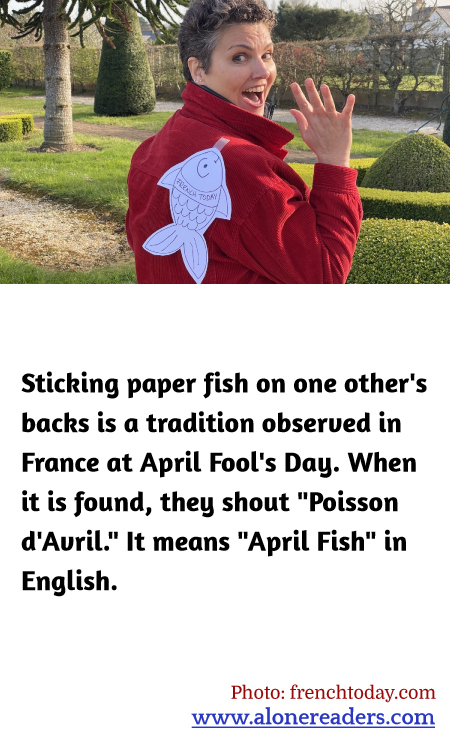
The tradition of sticking paper fish onto each other's backs is a charming and whimsical part of celebrating April Fool's Day in France. Known as "Poisson d'Avril" or "April Fish," this custom involves people trying to attach paper fish to the backs of their friends, family, and even strangers without being noticed. When the paper fish is eventually discovered, the prankster exclaims "Poisson d'Avril!" marking their successful prank.
The origins of this unique tradition are somewhat murky, but it is thought to date back to the 16th century when the French calendar was reformed under Charles IX. The start of the new year was moved from the end of March to January 1. However, those who continued to celebrate the new year during the week of April 1st became the subject of jokes and hoaxes. The fish specifically may symbolize the young, easily caught fish of spring, making them the perfect emblem for the fooled.
Today, the practice has evolved and includes not just the traditional paper fish but also involves various forms of pranks similar to April Fool's customs in other countries. In schools, children delight in crafting colorful fish from paper and sneakily pinning them onto the backs of unsuspecting classmates. Even newspapers and television stations join in the fun by featuring fake stories to trick their audiences.
The "Poisson d'Avril" tradition not only provides an opportunity for light-hearted amusement and laughter but also showcases a piece of French cultural heritage that continues to bring people together through shared moments of joy and playfulness. Whether through a simple paper fish or elaborate pranks, April 1st remains a day for everyone to watch their backs and embrace their sense of humor.
