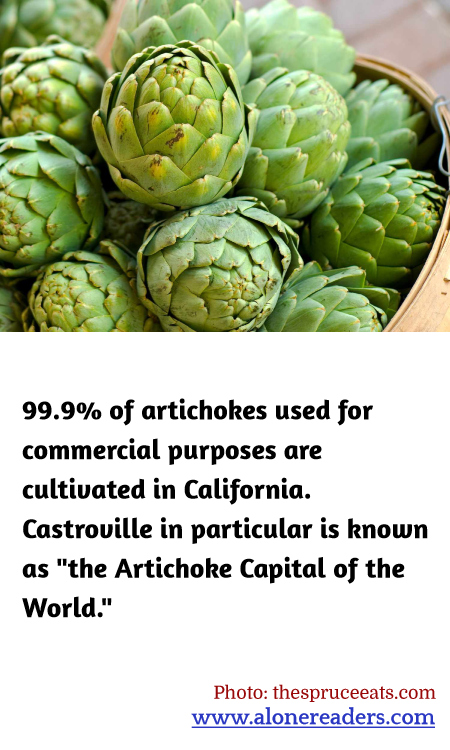
Artichokes, with their distinctive appearance and unique flavor, are a staple in Mediterranean cuisine but have also carved out a significant niche in the American agricultural landscape. Indeed, a staggering 99.9% of all artichokes grown for commercial purposes in the United States sprout from California's fertile soil. This prevalence is attributed to the state's ideal growing conditions, offering the perfect blend of cool coastal fog and rich, fertile soil, which allows this thistle-like plant to thrive.
Among the towns that dot California's agricultural belt, Castroville stands out as the self-proclaimed "Artichoke Capital of the World." This small town, located in Monterey County, has been at the forefront of artichoke cultivation since the 1920s. Castroville’s climate is particularly suited for artichoke cultivation, which demands mild temperatures and high humidity. Here, the cool coastal breezes and the misty fog from the Pacific Ocean create a natural greenhouse effect that nurtures the plants throughout their growth cycle.
The town's relationship with artichokes goes beyond mere cultivation; it is woven into the community's culture and economy. Each year, Castroville hosts an Artichoke Festival, which celebrates the artichoke in all its forms, from fresh and steamed to marinated and even sculpted. The festival not only highlights the culinary versatility of artichokes but also reinforces the town's identity and pride in their main crop. Artichoke farming has also been a driving force for local employment, providing jobs in both agriculture and agri-tourism sectors.
Additionally, the artichoke has played a surprising role in pop culture. In the 1940s, Marilyn Monroe was crowned Castroville's first Artichoke Queen, linking the town and its produce to a globally recognized icon. This odd but charming part of history underscores the broad cultural impact of what might otherwise be seen as just another vegetable.
The dominance of California, and Castroville in particular, in the production of artichokes highlights how geographic, climatic, and cultural factors can combine to help a region define and capitalize on an agricultural niche. This not only helps to sustain local economies but also contributes to the diversity of food culture in America, making the humble artichoke a symbol of how local resources and dedicated communities can achieve prominence on the national stage.
