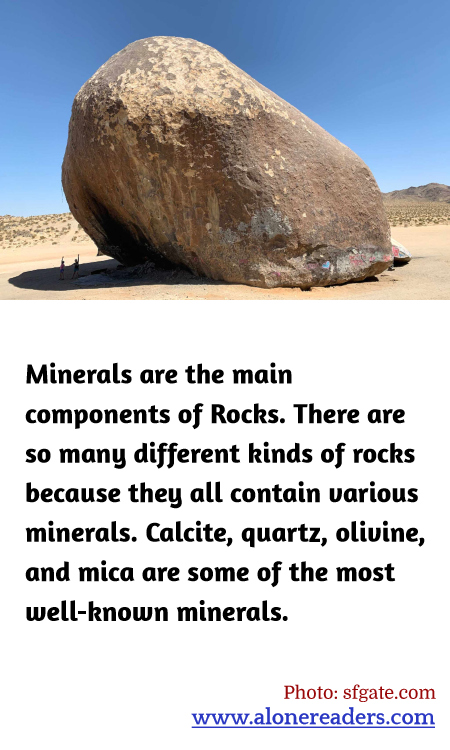
Minerals are naturally occurring, inorganic substances with a definite chemical composition and a crystalline structure. They form the building blocks of rocks, playing a central role in the study of geology. Rocks are, in fact, aggregates of one or more minerals or mineraloids, and their composition and arrangement largely determine the type of rock formed. The diversity in rock types we observe is directly linked to the variability in mineral content and the conditions under which the rocks were formed.
Among the most well-known and commonly found minerals in rocks are calcite, quartz, olivine, and mica. Each of these minerals contributes distinct characteristics to the rocks they compose. Calcite, a mineral form of calcium carbonate, is a major component of sedimentary rocks such as limestone and marble. It reacts with acids to produce carbon dioxide, a property that not only helps geologists identify the presence of calcite but also has implications for the weathering processes affecting rocks containing it.
Quartz, another widely prevalent mineral, is known for its hardiness and resistance to weathering. Composed of silicon dioxide, quartz is a major constituent of igneous rocks like granite and is also found in substantial amounts in sedimentary and metamorphic rocks. Its durability makes it a predominant mineral in sand and sandstone, and its relatively unreactive nature allows it to endure where other minerals would weather away.
Olivine, composed of magnesium iron silicate, is typically found in mafic igneous rocks such as basalt. It is less stable at the Earth's surface and tends to alter to serpentine or other minerals as a result of weathering. This mineral is particularly important in understanding the processes of magma formation deep within the Earth’s mantle.
Mica, with its distinctive sheet-like structure, appears in a variety of rock types. Commonly found in igneous and metamorphic rocks, mica minerals like biotite and muscovite impart a glittery appearance to rocks and are crucial for determining rock history and formation processes due to their stability under high temperatures and pressures.
The interplay of these minerals in differing combinations and environments leads to the formation of the many different rock types observed across the globe. Through the study of these components, geologists can reconstruct past geological events, understand current processes affecting the Earth's crust, and predict future changes to our planet's landscape. The ongoing study of minerals and their properties not only helps in identifying and classifying rocks but also in exploring their various uses in industry, technology, and art.
